Is Your Montrose Tree Asking for a Trim or a Closer Look?
Key Takeaways
- Most trees need routine trimming for shape, clearance, and deadwood. A smaller set of warning signs call for a full inspection instead.
- Overgrown branches, limbs near the roof or wires, and light deadwood usually mean it is time for a trim.
- Cracks in the trunk, fungus at the base, a new lean, or large dead sections point to a health problem that needs closer evaluation before any cutting.
- Trimming a tree that is actually sick or unstable can waste money and sometimes make the problem worse.
- When you cannot tell which one you are looking at, an inspection settles the question and tells you what the tree really needs.
Introduction
If the issue is overgrown branches, limbs crowding your roof or driveway, or a little deadwood, your tree most likely needs a routine trim. If you are seeing trunk cracks, fungus at the base, a new lean, or whole dead sections, the tree is asking for a closer look before anyone starts cutting.
That distinction is the whole point for Montrose homeowners. A trim is regular maintenance, like a haircut. An inspection is diagnosis, the step that finds out whether something deeper is wrong. Knowing which one your tree needs saves you from paying for pruning that does not fix the real problem. A quick read on tree trimming versus a full evaluation starts with what the tree is actually showing you.
This guide walks through the signs on both sides, why order matters, and how Montrose conditions play into it.
Trim or Inspect: The Difference That Matters
Trimming and inspecting are not competing choices. They answer different questions.
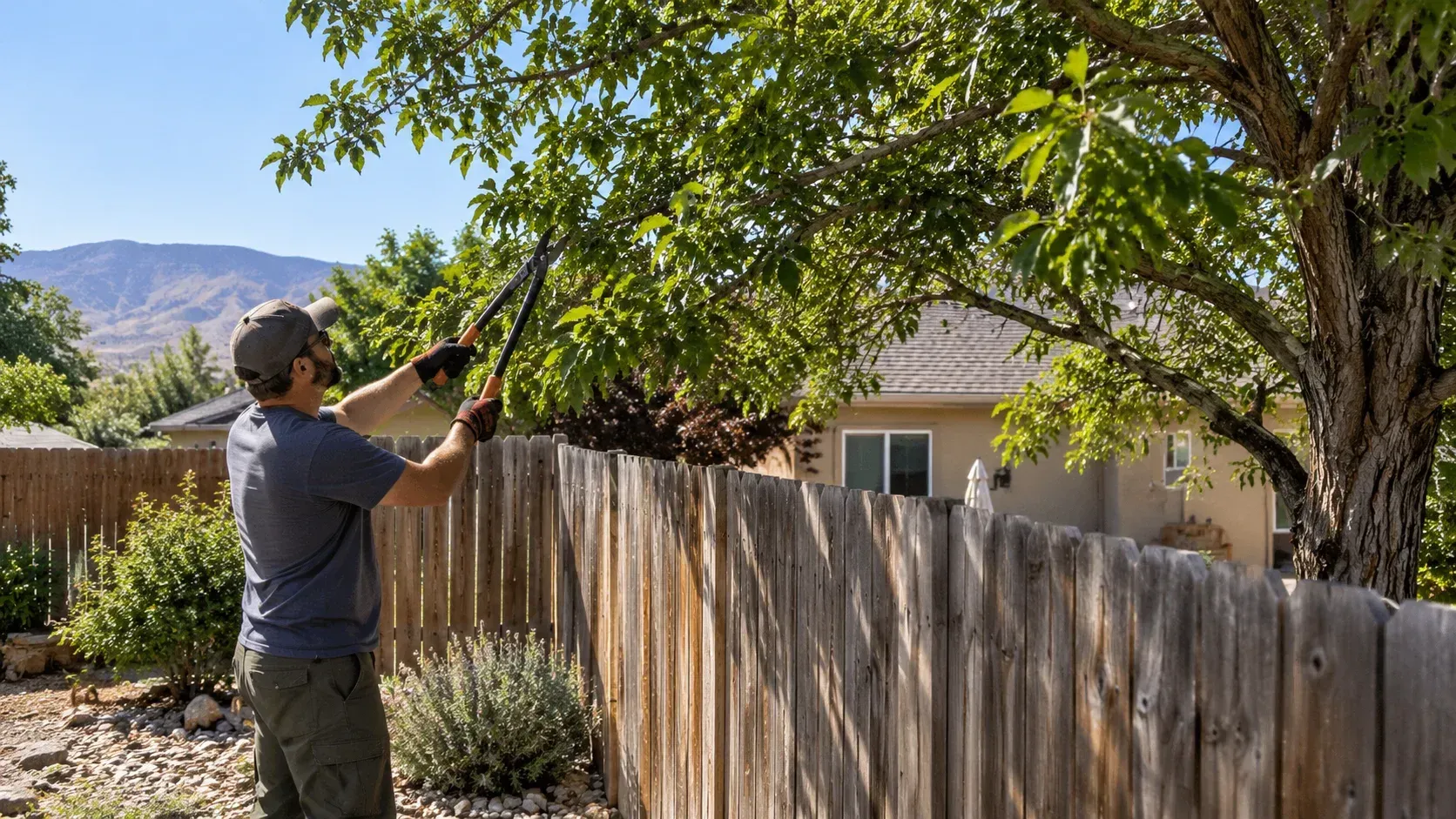
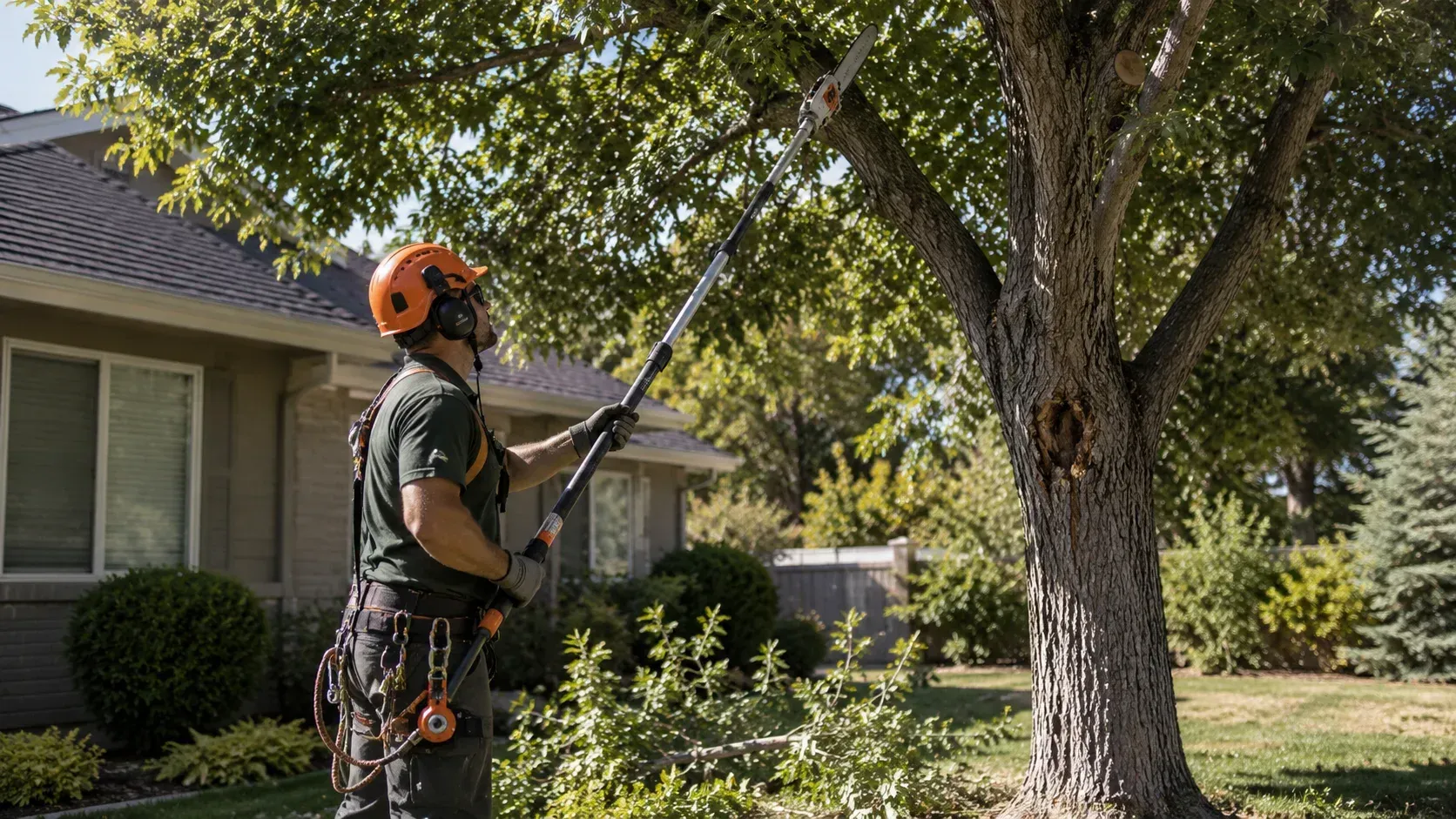
Trimming, or pruning, manages a tree that is basically healthy. It removes overgrowth, clears branches away from structures, takes out small deadwood, and improves airflow and shape. A healthy tree can be trimmed on a routine schedule for years.
An inspection asks whether the tree is sound in the first place. It looks at the trunk, roots, and structure for signs of disease, decay, or instability. The reason the difference matters is simple: pruning a structurally failing tree does not make it safe, and it can hide the warning signs you needed to see.
Signs Your Tree Just Needs a Trim
Most of the time, a tree is fine and simply needs upkeep. These signs usually point to routine trimming:
- Branches touching your house, roof, or gutters. Rubbing limbs damage siding and roofing over time.
- Limbs blocking a walkway, driveway, or your view. Clearance pruning handles this.
- Light deadwood scattered in the canopy. A few dead twigs and small branches are normal and easy to remove.
- A crowded, dense crown. Thinning lets light and air through and reduces wind resistance.
- Suckers and water sprouts. Fast, weak shoots at the base or along limbs are worth removing.
- Uneven or lopsided shape. Shaping keeps growth balanced.
People sometimes mix up trimming and pruning, and it helps to know the difference between light shaping and more corrective cuts. Either way, these are maintenance jobs on a tree that is doing well.
Signs Your Tree Needs a Closer Look
Other signs are not maintenance issues. They suggest a health or safety problem, and cutting into the tree before understanding it is a mistake.
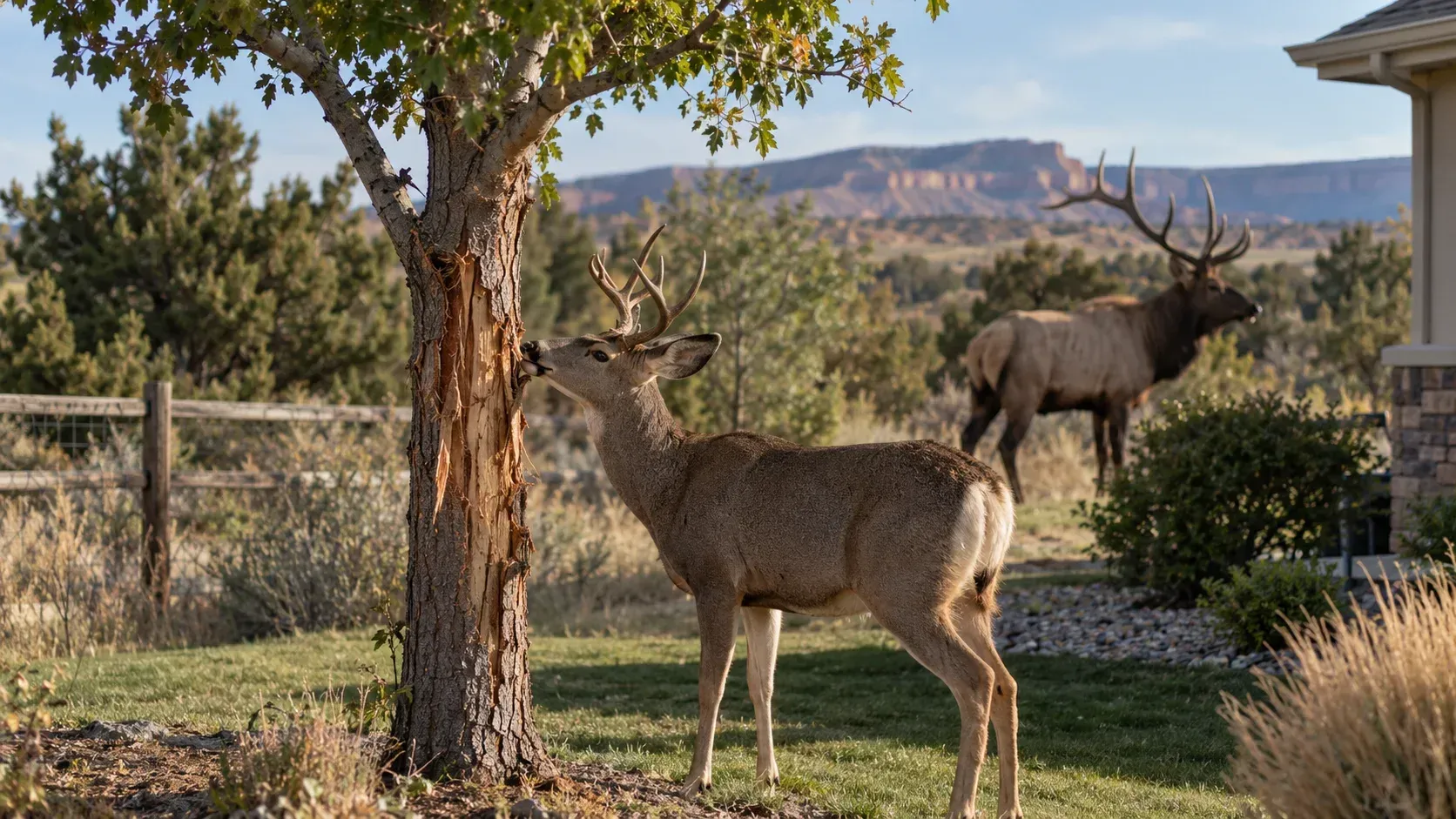
Cracks or Splits in the Trunk. Vertical cracks, seams, or a split trunk are structural problems that trimming will not solve. These can lead to failure in wind, and they need to be evaluated first.
Fungus or Mushrooms at the Base. Conks and mushrooms on the trunk or roots often signal decay inside the wood. What shows on the outside usually means more is hidden. This calls for evaluation, not a trim.
A New or Increasing Lean. A tree that recently started leaning, especially with cracked or raised soil at the base, may have failing roots. That is a stability question, and there are several reasons a tree can lean suddenly that pruning will not address.
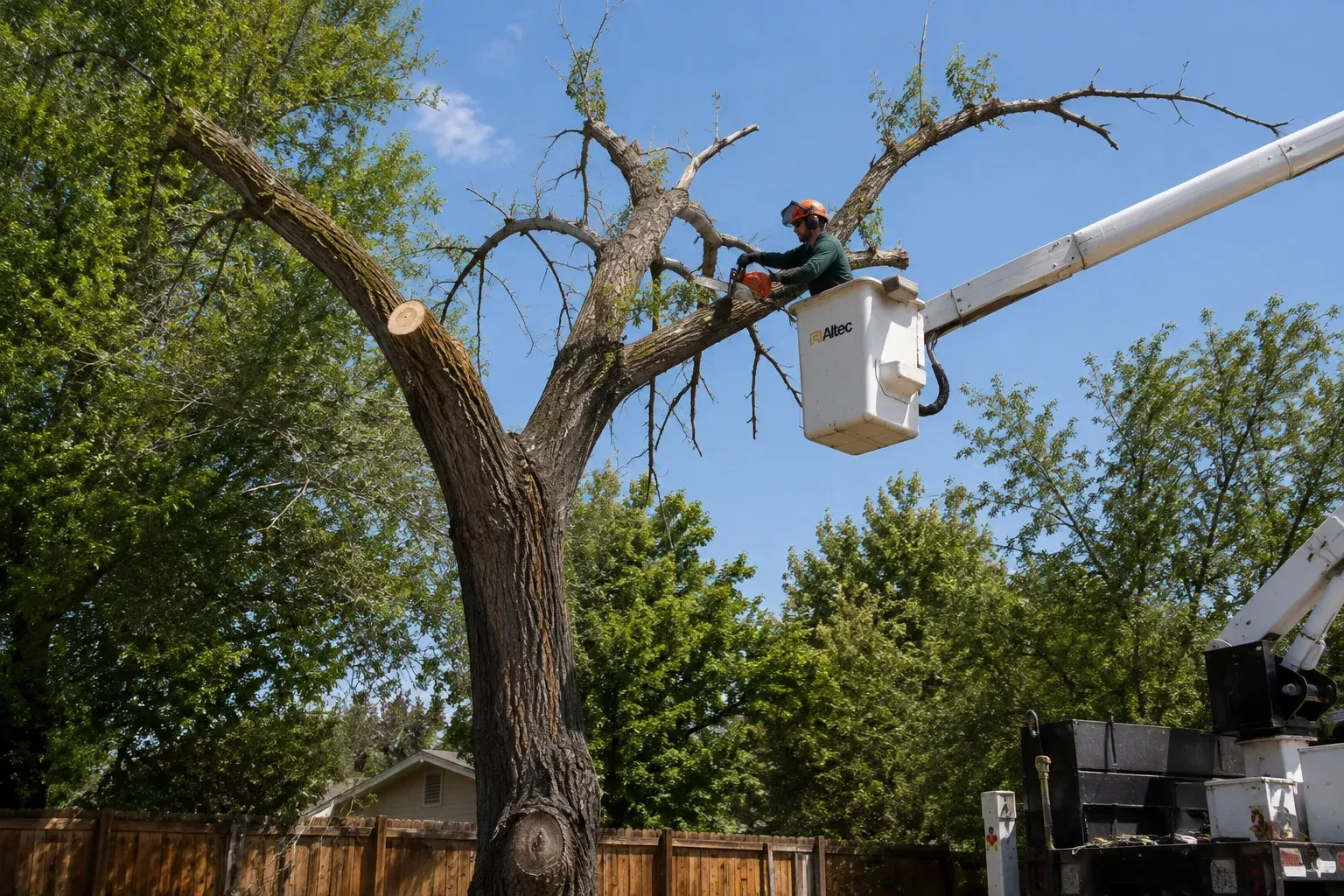
Large Dead Sections. Scattered dead twigs are normal. A whole dead limb, or an entire side of the tree bare in summer, points to a decline that needs diagnosis before you decide on any cutting.
Pests or Oozing Bark. Sawdust at the base, small holes in the bark, or sap weeping from the trunk can mean borers or disease. These need identification so the right response can follow.
Why Cutting First and Asking Later Backfires
It is tempting to just book a trim and move on. With a healthy tree, that is fine. With a struggling one, it can cost you.
Pruning a stressed or diseased tree removes energy the tree needs to recover, and heavy cuts on a weak tree can speed its decline. Cutting during the wrong season, or through active disease, can also open the tree to further infection.
There is a safety side too. Deadwood and cracks are clues. A crew that trims away the symptoms without an assessment may leave a genuinely hazardous tree standing and looking tidy. That is why an inspection comes first when the signs are unclear. Diagnose, then decide, then cut.
Montrose Conditions That Affect Your Trees
Local conditions shape what your trees need. Montrose sits in a high desert valley with cold winters, hot dry summers, and strong seasonal wind, and the soil tends to run alkaline and clay-heavy.
Those dry summers stress trees that were not built for them, and stressed trees are the ones that develop the problems above. Wind is the other factor. Overgrown, top-heavy canopies catch more wind, so trees that skip routine thinning are more likely to lose limbs in a storm.
Common local trees each have their quirks. Siberian elms grow fast and form weak, crowded branches that benefit from regular thinning. Aspens and fruit trees are prone to disease and pests that call for closer attention. Older cottonwoods drop large limbs as they age and are worth watching more carefully than younger trees.
Timing: When to Trim and When to Wait
Season affects both the work and the tree's response. As a general rule, late dormant season, roughly late winter into early spring before new growth, is a good window for most structural pruning in this climate. The tree is not actively growing, and problems are easier to see without leaves.
Light trimming and deadwood removal can be done at most times of year. Heavy pruning in the heat of summer adds stress, so it is usually avoided when a tree is already working hard to hold moisture.
Some situations do not wait for a season, though. A cracked limb over your driveway or storm damage after a windstorm needs prompt attention regardless of the calendar. Safety comes before ideal timing.
Conclusion
Overgrown branches, roof clearance, and light deadwood mean a trim. Trunk cracks, base fungus, a fresh lean, or large dead sections mean a closer look before any cutting. The order matters, because pruning a sick or unstable tree treats the surface and skips the real problem, and sometimes makes things worse. Montrose weather and soil put steady stress on local trees, which is why paying attention to these signs early keeps small issues from turning into large ones. When you cannot tell trim from trouble, that uncertainty is your cue to have someone look before the saw comes out.
Not Sure Whether Your Tree Needs a Trim or a Checkup?
If a tree in your Montrose yard has you guessing between a quick trim and something more serious, a professional can tell you which it is. Contact us or call (970) 589-2268 and describe what you are noticing. You will get a straight, no-pressure answer about whether routine pruning is enough or the tree needs a closer evaluation first, so you can decide with the full picture.
Frequently Asked Questions
How do I know if my tree needs trimming or an inspection?
If the concern is overgrowth, clearance, shape, or light deadwood, it usually needs a trim. If you see trunk cracks, fungus, a new lean, or large dead areas, it needs an inspection before any cutting.
How often should trees be trimmed in Montrose?
Many shade and ornamental trees benefit from trimming every three to five years, though fast growers like Siberian elms may need it more often. The right interval depends on species, age, and how the tree is growing.
What is the best time of year to trim trees?
Late dormant season, from late winter into early spring, suits most structural pruning in this climate. Light trimming and deadwood removal can be done in most seasons. Heavy summer pruning is generally avoided because it adds stress.
Can trimming fix a diseased tree?
Not on its own. Trimming can remove some affected wood, but a disease needs to be identified and managed. Pruning a stressed tree without a plan can sometimes speed its decline.
Is deadwood in my tree a serious problem?
A few dead twigs are normal. Large dead limbs, or a whole dead section, are more concerning and are worth having evaluated, since they can signal a health problem and can also fall.
Why does my tree suddenly have mushrooms growing on it?
Mushrooms or shelf-like conks on the trunk or roots often indicate internal decay. It is a sign worth taking seriously, and it calls for an inspection rather than a trim.
Should I trim a tree that was damaged in a storm?
Damaged limbs should be dealt with promptly, but have the tree checked first if it is leaning, split, or partly fallen. Those situations can be hazardous and may need more than simple trimming.
Related Posts