Is That Fruita Tree Still Worth Saving, or Is It Time for Removal?
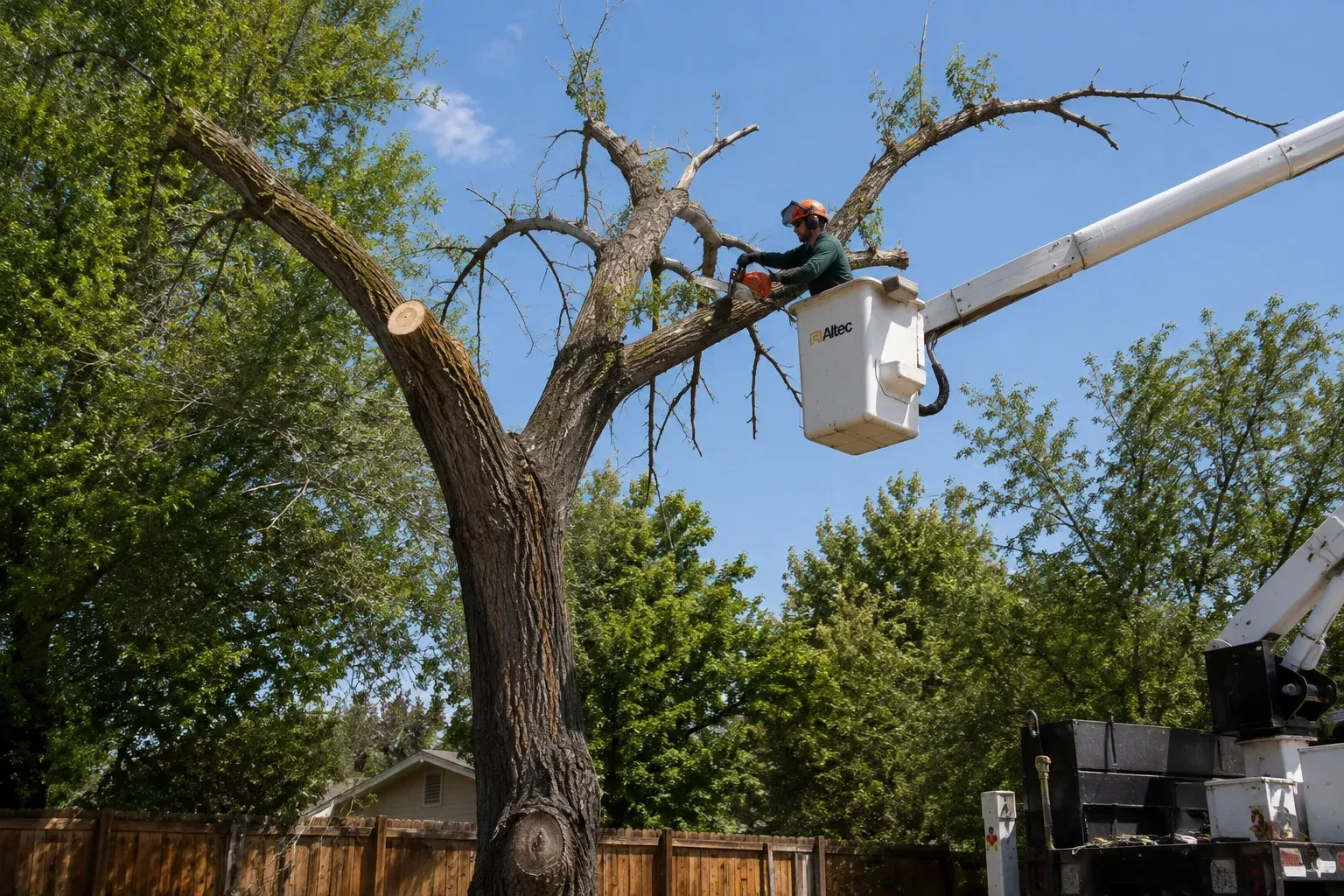
Key Takeaways
- Many struggling trees can be saved with pruning, watering, or treatment. Removal is the right call mainly when a tree is dead, structurally unsound, or a hazard to people and property.
- Warning signs worth watching include large dead limbs, a leaning trunk, fungus at the base, deep bark cracks, and a canopy that thins year after year.
- A tree that has lost more than about half its crown or shows major trunk decay is usually past saving.
- Location changes everything. A flawed tree over open ground is a different decision than the same tree over your roof or a sidewalk.
- A professional tree health assessment gives you an honest read before you commit to keeping or removing a tree.
Introduction
A tree is usually worth saving when the damage is limited to branches, the trunk is solid, and the roots are healthy, and it is time for removal when the tree is dead, structurally failing, or standing where a fall could hurt someone. In short, most trees earn a second chance, but a smaller group have crossed a line where keeping them creates real risk.
For homeowners in Fruita, this question comes up often. Wind off the Bookcliffs, dry summers, and a lot of aging shade trees planted decades ago all take a toll. Deciding what to do can be hard, especially when a tree has shaded the yard for thirty years and feels like part of the property. A clear look at tree removal versus repair starts with knowing what actually separates a fixable problem from a lost cause.
This guide covers the signs on both sides and how a professional assessment fits in.
Save It or Remove It: How to Think About the Decision
Start with a simple frame. A tree is a living structure, so the two questions that matter are whether it can recover its health and whether it is safe while it tries.
A tree can be unhealthy but safe, like a young tree with a treatable pest problem. It can also be reasonably healthy but unsafe, like a solid tree leaning hard over a driveway after its roots were cut during construction. Removal becomes the answer when a tree fails both tests, or when the safety risk alone is too high to wait out.
Emotion is part of this, and that is fine. The goal is not to talk anyone out of a tree they love. It is to separate what you wish were true from what the tree is actually showing you.
Signs a Tree May Still Be Worth Saving
Plenty of trees look worse than they are. These signs usually point toward keeping and treating the tree rather than removing it:
- Damage limited to branches. Broken or dead limbs can often be pruned while the trunk and roots stay sound.
- A single-season problem. Leaf spots, early leaf drop in a drought year, or a pest that responds to treatment.
- A solid trunk. No large cavities, soft spots, or vertical cracks running deep into the wood.
- New growth. Fresh shoots and buds mean the tree is still actively trying to recover.
- A minor lean it has always had. A tree that grew at an angle years ago is different from one that leaned recently.
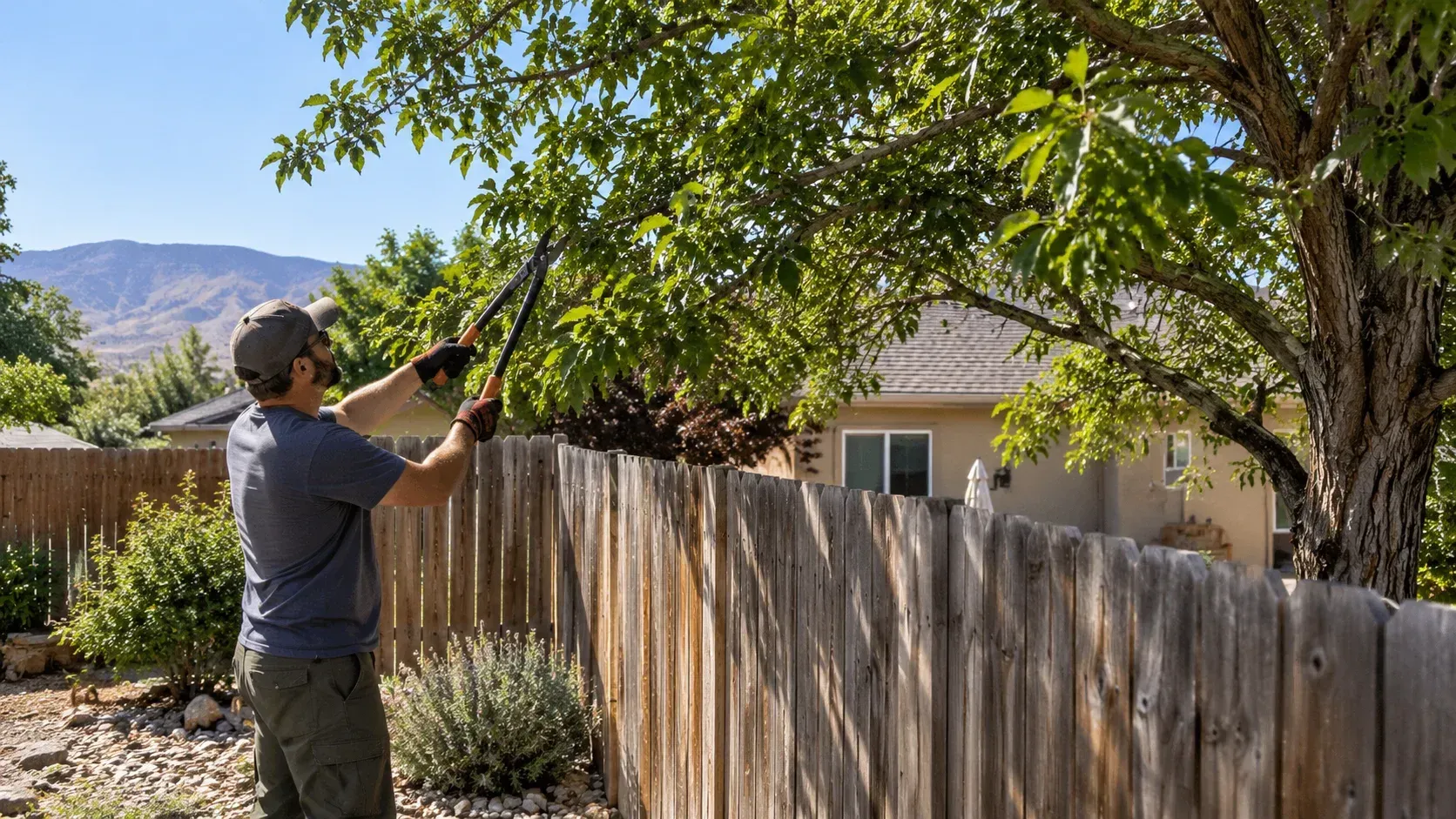
When the issue is confined to the canopy, targeted tree trimming can remove the dead or diseased wood and let the healthy part of the tree carry on.
Signs It May Be Time for Tree Removal
Other signs point the other way. One alone is not always decisive, but several together usually are.
Large Dead Sections. A few dead twigs are normal. Large dead limbs, or a whole side of the tree with no leaves in summer, suggest the tree is losing the fight. Once more than roughly half the crown is dead, recovery is unlikely.
A New or Worsening Lean. A tree that suddenly leans, or leans more than it used to, may have failing roots. Look for heaved or cracked soil on the side opposite the lean. That is a sign the root plate is lifting, and it is one of the clearer reasons a tree may lean suddenly and need prompt attention.
Fungus and Decay. Mushrooms or shelf-like conks growing at the base or on the trunk often mean the wood inside is rotting. Decay you can see from outside usually means more you cannot. A trunk that sounds hollow when tapped is a warning too.
Deep Trunk Cracks and Splits. Vertical cracks, seams, or a trunk that has split are structural failures. These do not heal, and a split trunk can come apart in the next strong wind. Grand Valley wind events make this a real concern.
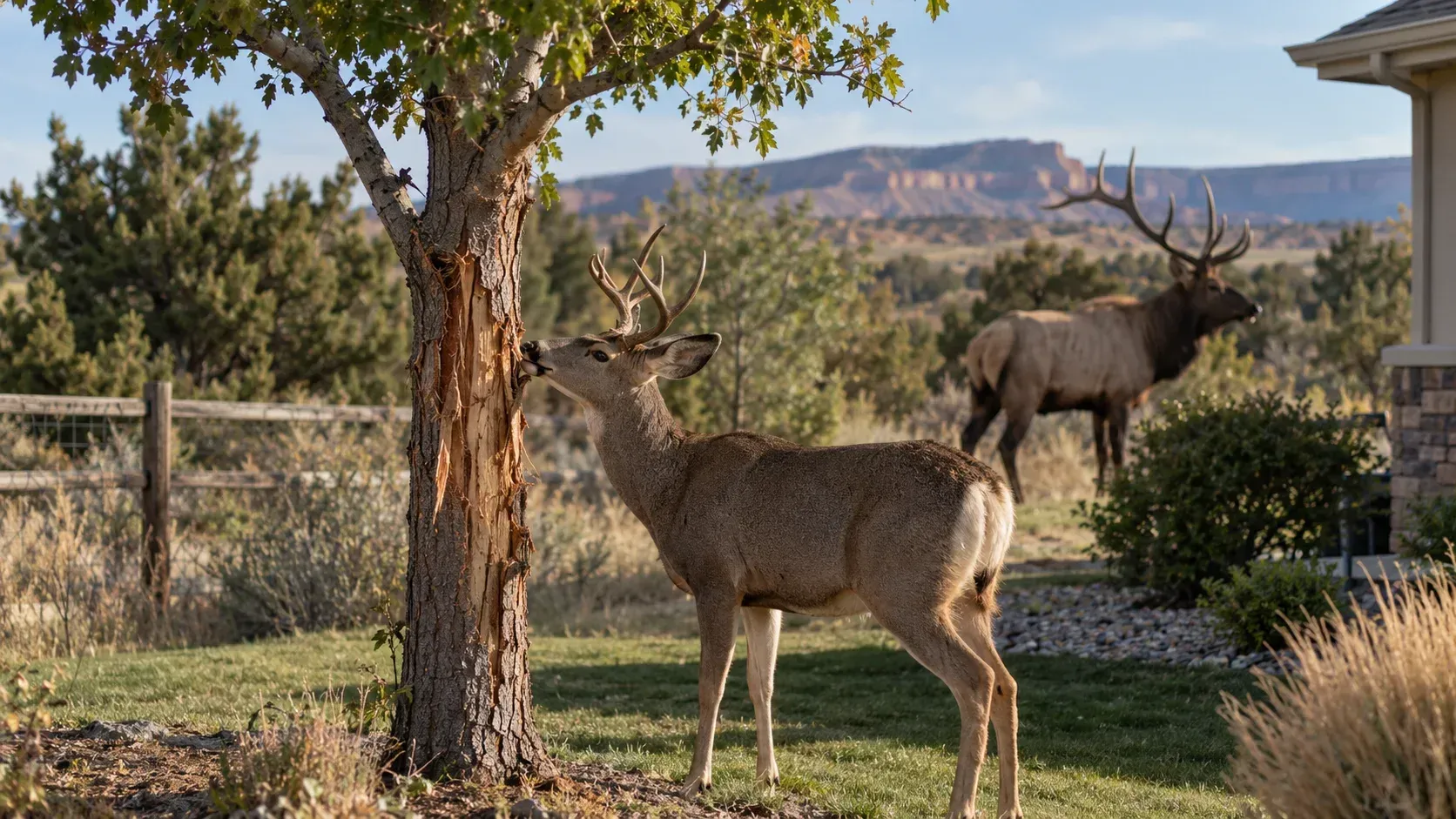
Trunk and Root Damage. Trees move water and nutrients through the layer just under the bark. If a large section of bark is gone all the way around, or major roots were severed during digging or paving, the tree may not survive even if the top still looks green for a season.
Why Location Matters as Much as Condition
The same tree can be a keep or a remove depending on where it stands. A partly declining tree in a back corner over open grass poses little danger and can often be watched over time. Put that identical tree over your house, your neighbor's fence, a power line, or the sidewalk, and the tolerance for risk drops sharply.
This is why a "target" matters in professional assessments. A target is whatever a falling tree or limb could hit: people, cars, roofs, or utilities. High-value targets shift the decision toward removal earlier, because the cost of being wrong is so much higher.
If you are unsure how close is too close to a structure, that judgment is exactly the kind of thing worth getting a trained opinion on before a storm forces the issue.
Common Problems for Fruita and Grand Valley Trees
Local conditions shape which problems show up most. Fruita and the surrounding Grand Valley run hot and dry, with alkaline, often salty clay soil and strong seasonal wind.
Older cottonwoods are common here and tend to develop internal decay and drop large limbs as they age. Siberian elms grow fast, weak, and split easily. Aspens and birches, planted for looks, frequently struggle in the heat and become stressed enough to invite borers and disease.
Drought stress is the quiet driver behind a lot of it. A tree short on water for a couple of summers weakens, and weakened trees are the ones that get sick, get infested, and fail. Regular tree inspections catch these problems while there is still a decision to make, rather than after a limb is already on the ground.
What Happens During a Tree Health Assessment
If you cannot tell which way your tree leans on the save-or-remove question, an assessment is the practical next step. Here is what one generally involves.
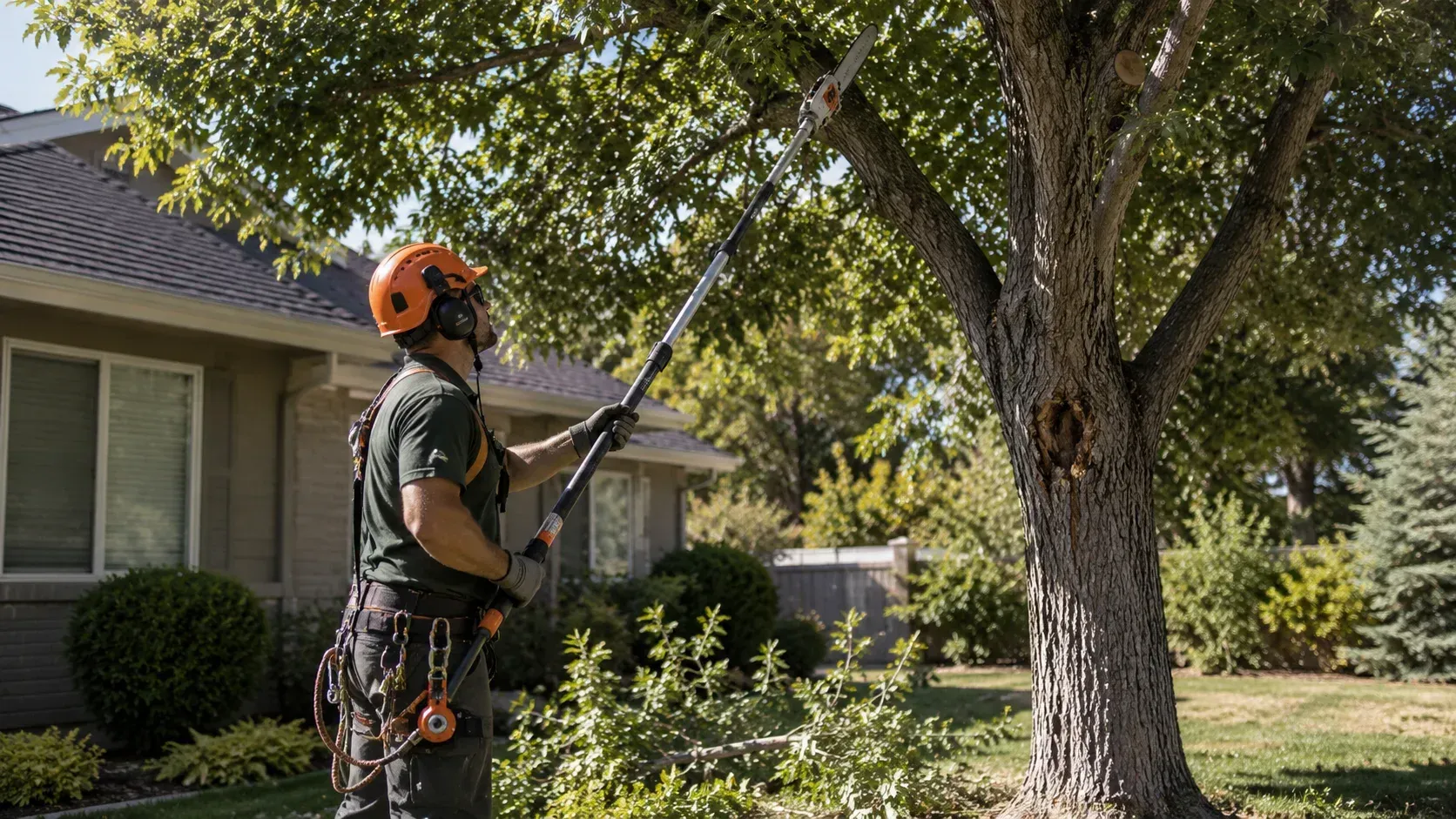
A trained professional looks at the whole tree, from the root flare up through the canopy. They check the trunk for cavities and cracks, the base for fungus and root issues, and the branches for deadwood and weak attachments. They also factor in species, age, recent construction, and what sits below the tree.
From there you get a plain reading: healthy and worth keeping, treatable with a specific plan, or a hazard that should come down. A good assessment explains the reasoning so you can decide, rather than just handing down a verdict. It also respects that the choice is yours, provided the tree is not an immediate danger.
Conclusion
Most trees are worth saving. The ones that do not tend to announce it through large dead sections, a fresh lean with lifting soil, visible decay or fungus, or a split trunk, and the risk climbs fast when any of that stands over something you care about. Condition and location have to be weighed together, not one or the other. When the signs are mixed or hard to read, an honest assessment beats guessing, because a tree kept too long and a tree removed too soon are both mistakes worth avoiding. Look closely, and let the tree's own signs guide the call.
Torn Between Saving Your Tree and Removing It?
If there is a tree in your Fruita yard that has you going back and forth, a professional set of eyes can tell you where it really stands. Contact us or call (970) 589-2268 to talk through what you are seeing. You will get a straight, no-pressure read on whether the tree can be treated, pruned, or is better off removed, so the decision is yours to make with the full picture in front of you.
Frequently Asked Questions
How do I know if my tree is dead or just dormant?
Scratch a small twig with your fingernail. Green and moist underneath means living tissue; brown and dry on multiple branches suggests dead wood. Check several spots on the tree before deciding, since parts can die while others live.
Can a leaning tree be saved, or does it need to come down?
It depends on the cause. A tree that always grew at a slight angle is often fine. A tree that leaned recently, especially with cracked or heaved soil at the base, may have failing roots and should be assessed promptly.
Does fungus at the base of a tree always mean removal?
Not always, but it is a serious sign. Conks and mushrooms on the trunk or roots often indicate internal decay. A professional can judge how much sound wood remains and whether the tree is still stable.
How much of a tree can die before it can't be saved?
As a general guideline, once more than about half the crown is dead, recovery is unlikely. Below that, pruning and care may help, depending on the trunk and root condition.
Is it cheaper to treat a tree than to remove it?
Often, yes, when the problem is treatable. Watering, pruning, and pest management usually cost less than removal. The comparison changes if a tree is already hazardous, since the risk of leaving it can outweigh any savings.
What is a tree health assessment?
It is an inspection of the whole tree, roots to canopy, to judge health, structure, and safety. It gives you a clear basis for deciding whether to keep, treat, or remove the tree.
Do I need to remove a tree right after a storm?
Not always, but storm-damaged trees should be checked before you decide. Some can be pruned and saved; others are unstable and hazardous. Keep people away from any tree that is leaning, split, or hung up on another until it has been assessed.
Related Posts