What Happens to Tree Roots After Tree Removal
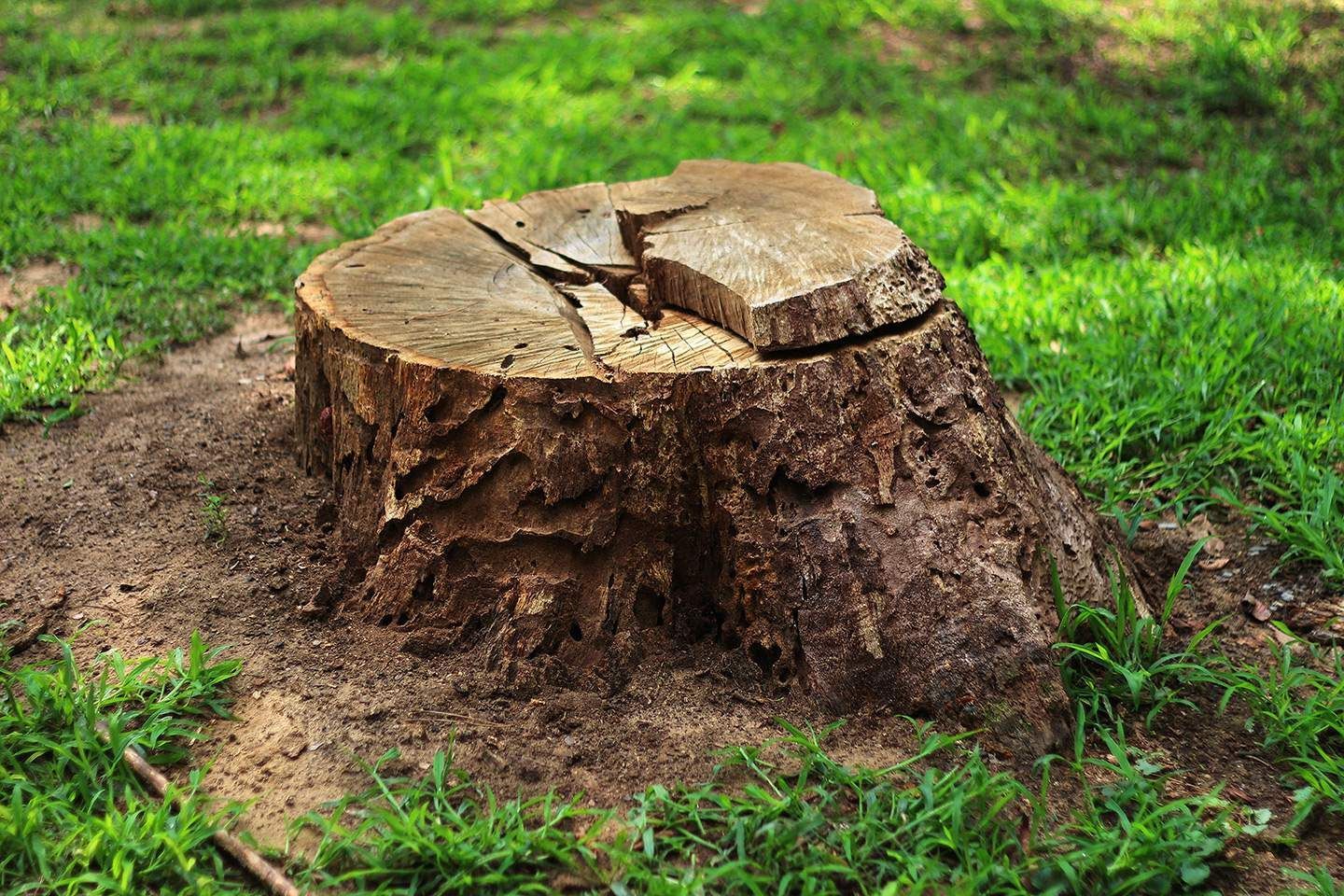
Table of Contents
- Introduction
- How Tree Roots Function Before Removal
- What Happens Immediately After Tree Removal
- Do Tree Roots Continue to Grow After Removal?
- Root Decay and the Natural Breakdown Process
- How Decaying Roots Affect Soil and Landscapes
- Potential Risks of Leaving Roots Underground
- Options for Managing Tree Roots After Removal
- Factors That Influence Root Decay and Regrowth
- Conclusion
- Book a Tree Removal
- Frequently Asked Questions
Key Takeaways
- Tree roots after removal do not die instantly and can take years to fully decay.
- Most roots stop growing once the tree is removed, but some species may produce limited regrowth.
- Root decay is a natural process that affects soil structure, drainage, and stability over time.
- Leaving roots unmanaged can create uneven ground, pest habitats, or conflicts with future landscaping.
- Understanding root behavior helps property owners make informed post-removal decisions.
Introduction
After a tree is removed, its roots remain underground and begin a gradual process of decline rather than disappearing right away. Understanding what happens to tree roots after removal is essential for homeowners and property owners because these roots can affect soil stability, landscaping plans, and long-term property maintenance. For those considering a tree removal service or evaluating options in Grand Junction, CO, knowing the behavior of roots can prevent surprises and help plan future projects.
If you are unsure which
tree removal service in Colorado to choose, consulting professionals can guide safe and effective decisions.
How Tree Roots Function Before Removal
Tree roots serve two primary purposes: anchoring the tree and absorbing water and nutrients. Most mature trees have root systems that extend well beyond the visible canopy, sometimes spreading two to three times the width of the tree’s crown and growing near the soil surface.
Roots rely on energy produced through photosynthesis in the tree’s leaves. When the tree is healthy, this energy keeps the root system alive. Once the tree is removed, that energy supply stops, setting off underground changes that affect root decay.
What Happens Immediately After Tree Removal
When a tree is cut down or fully removed, the root system loses its source of nutrients. However, the roots do not die instantly. Stored carbohydrates can maintain some biological activity for a period.
In the weeks and months following
tree removal, roots typically begin to dry out. Fine feeder roots die first, while larger structural roots may persist much longer. This delayed response explains why below-ground changes are often not immediately visible.
Do Tree Roots Continue to Grow After Removal?
In most cases, tree roots after removal do not continue growing in a meaningful way. Without leaves, the tree cannot produce energy for sustained growth. Over time, the root system weakens and decomposes.
Some tree species may produce suckers or shoots from remaining roots or stumps. While this regrowth can appear like new growth, it does not indicate a healthy or permanent root system.
Root Decay and the Natural Breakdown Process
How Root Decay Occurs
Root decay is a natural process driven by fungi, bacteria, and soil insects. These organisms break down dead root material into organic matter, returning nutrients to the soil.
Decay timelines vary: small roots may decompose within 1–2 years, while large roots can take 5–10 years or more. Soil moisture, temperature, and microbial activity influence the speed of decay.
What Decay Looks Like Underground
As roots decay, they lose structural strength. Voids can form where large roots once existed, sometimes collapsing after heavy rain or soil compaction, resulting in uneven ground at the surface.
How Decaying Roots Affect Soil and Landscapes
Decaying roots can have both positive and negative effects. Decomposed roots add organic matter, improving soil fertility—a benefit for future landscaping or gardening. Conversely, uneven decomposition may affect soil stability, creating sunken spots, drainage changes, or challenges when installing hardscaping such as patios or walkways.
Potential Risks of Leaving Roots Underground
Ground Settlement and Surface Changes
As roots decay, soil may settle unevenly, affecting lawns, driveways, or irrigation systems, especially in areas with expansive soils or seasonal moisture shifts.
Pest and Fungal Activity
Decaying roots can attract insects like termites or beetles, depending on conditions. While not automatically problematic, this can increase activity near structures.
Interference With Future Projects
Old roots may interfere with planting, fencing, or construction plans. Digging through them can be labor-intensive, often requiring professional support from a trusted
tree removal service.
Options for Managing Tree Roots After Removal
Stump Grinding
Stump grinding removes the visible stump and part of surface roots, allowing easier leveling and replanting. Deeper roots are typically left to decay naturally.
Full Root Removal
Full root removal may be necessary for construction or safety purposes. This method is invasive and may disturb surrounding soil and landscaping.
Natural Decomposition
Allowing roots to decay naturally is often acceptable in open yard areas without immediate development. Understanding the timeline helps set realistic expectations.
Factors That Influence Root Decay and Regrowth
Several factors determine how tree roots after removal behave:
- Tree species: Some decay faster or are more prone to sprouting.
- Soil conditions: Moist, biologically active soils promote faster decay.
- Climate: Seasonal temperature variations in Grand Junction, CO, can speed up or slow down decomposition.
- Root size: Larger roots take longer to break down.
Knowing these factors helps property owners choose the most suitable post-removal management strategy.
Conclusion
Tree roots after removal do not disappear immediately. They go through a gradual decline and decay, influencing soil structure, landscaping, and future property use. Understanding root decay, the limits of regrowth, and potential impacts enables informed, responsible decisions after tree removal.
Book a Tree Removal
If you are planning or have recently completed tree removal and want professional guidance on managing roots or planning future projects,
Tree Climbers Services can help. Send us an email at
joshua@treeclimbersservices.com or call us at
(970) 589-2268 to discuss your property-specific needs.
Frequently Asked Questions
How long do tree roots take to decay after removal?
Root decay timelines vary. Small roots may decompose within a couple of years, while large structural roots can take several years or longer depending on soil and climate conditions.
Can tree roots damage foundations after the tree is removed?
Once the tree is removed, roots generally stop expanding. Existing roots may remain near foundations, but new growth is unlikely without a living tree.
Will grass grow over old tree roots?
Grass can grow over decaying roots, but uneven soil settlement may occur as roots break down. Monitoring and minor soil adjustments may be needed.
Is stump grinding enough to address tree roots after removal?
Stump grinding removes the stump and surface roots, which is often sufficient for landscaping. Deeper roots typically remain and decay naturally.
Do all tree species behave the same after removal?
No. Different species vary in how quickly roots decay and whether they attempt limited regrowth from remaining root tissue.
Should roots always be removed after tree removal?
Not always. Root removal depends on future land use, safety considerations, and soil conditions. In many cases, natural decay is an acceptable option.
Can decaying roots affect drainage?
Yes. As roots decompose, changes in soil structure can influence how water moves through the ground, particularly during heavy rainfall.
Related Posts