How Snow Removal Helps Reduce Slip-and-Fall Risk in Grand Junction, CO
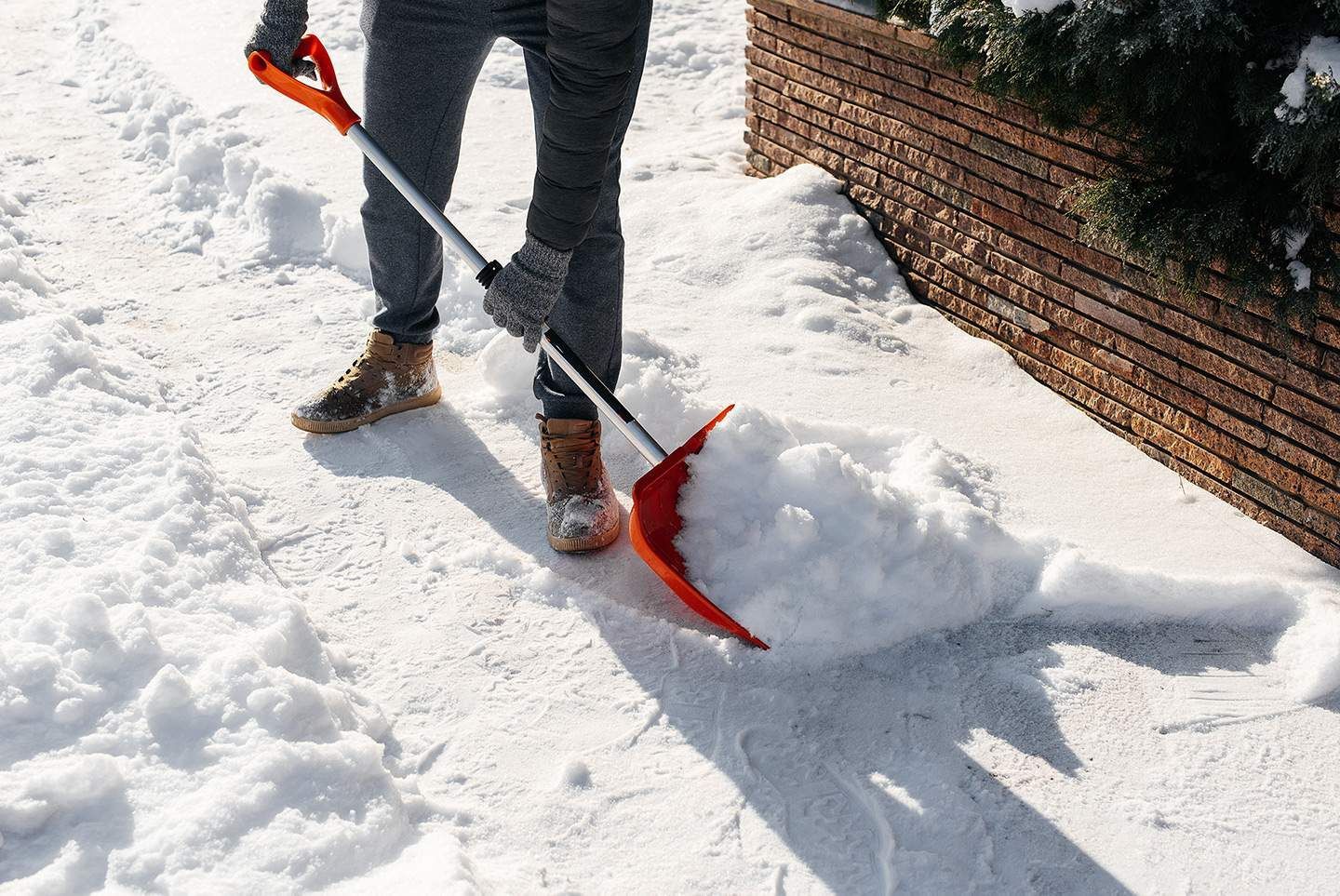
Table of Contents
- Introduction
- Why Snow and Ice Create Different Walking Hazards
- Which Areas Should Be Cleared First?
- Why Timing Matters After a Snowfall
- Snow Removal vs. Ice Management
- Common Snow Removal Mistakes That Increase Risk
- When DIY Snow Removal Becomes Unsafe
- How Grand Junction's Winter Conditions Affect Snow Management
- What Property Owners Should Include in a Snow Removal Plan
- Understanding Liability Without Overstating It
- Conclusion
- Snow Removal Services in Grand Junction, CO
- Frequently Asked Questions
Key Takeaways
- Snow can become more hazardous when it is compacted, partially melts, or refreezes into ice.
- Clearing the most-used walkways, entrances, stairs, ramps, and parking areas should be a priority after a storm.
- Removing snow alone may not address icy patches; de-icing and traction management may also be necessary.
- Grand Junction requires snow and ice to be cleared from public sidewalks adjacent to homes and businesses within 24 hours after snowfall.
- Snow removal can reduce hazards, but it cannot guarantee that every slip-and-fall incident will be prevented.
- Property owners should have a plan for both immediate snow clearing and changing conditions between storms.
Introduction
Prompt snow removal can reduce slip-and-fall hazards in Grand Junction, CO by keeping walkways, entrances, stairs, and other frequently used areas clearer before snow becomes compacted or refreezes into ice. Winter conditions can change quickly, so property owners need to think beyond simply moving snow out of the way.
For homeowners, businesses, and property managers, the goal is not just a clean-looking property. The more useful question is whether people can move through the property without encountering unexpected changes in elevation, hidden steps, slippery surfaces, or blocked access points.
Grand Junction also has a specific local requirement: public sidewalks adjacent to homes and businesses must be cleared of snow, ice, and debris within 24 hours after every snowfall. The city also advises property owners not to push snow into streets where it can interfere with drainage.
For properties that need recurring clearing, professional snow removal services can provide scheduled plowing, hand shoveling, de-icing, and emergency snow and ice removal based on the property's needs.
Why Snow and Ice Create Different Walking Hazards
Snow and ice should not be treated as the same problem. Each creates different hazards, and the condition of the surface can change throughout the day.
Fresh Snow Can Hide Problems
Fresh snowfall can cover curbs, steps, cracks, uneven pavement, drainage areas, and other changes in the walking surface. Someone may see a relatively smooth blanket of snow without realizing that the surface underneath is uneven.
This is particularly important around:
- Building entrances
- Stairs and ramps
- Sidewalk transitions
- Parking lot walkways
- Driveway edges
- Areas where pedestrians cross vehicle lanes
Clearing these areas exposes the walking surface and makes the route more predictable.
Compacted Snow Can Become Harder to Remove
Foot traffic and vehicle traffic can compress snow into a dense layer. Once compacted snow freezes, removing it can be considerably more difficult than clearing loose snow shortly after a storm.
This is one reason waiting several days can be counterproductive. The problem may shift from snow removal to ice removal.
Melting and Refreezing Creates Hidden Ice
A sunny winter day does not necessarily mean the hazard is gone. Snow can melt during warmer periods and then refreeze when temperatures fall.
Water from melting snow can also travel toward lower areas, shaded walkways, entrances, or drainage points before freezing.
The result can be a thin layer of ice that is harder to notice than fresh snow.
Which Areas Should Be Cleared First?
Not every part of a property needs the same level of attention. A practical snow removal plan starts with areas where people are most likely to walk.
1. Main Entrances
Clear the route leading to the primary entrance and pay attention to the area immediately outside the door.
Snow or ice around an entrance can become especially problematic because people may be focused on opening a door, carrying packages, or entering the building rather than watching the ground.
2. Stairs and Ramps
Stairs and ramps deserve early attention because snow can hide individual steps or reduce traction on an incline.
Ramps may also require particular care because a surface that appears passable when covered with snow can become slippery when the snow begins to melt.
3. Sidewalks and Pedestrian Routes
Create a continuous walking route rather than clearing isolated patches.
A property may have a perfectly clear entrance but still present a problem if visitors must cross an uncleared walkway to reach it.
4. Parking Areas and Driveways
Vehicles can compact snow quickly. Parking areas should therefore be evaluated for both vehicle access and pedestrian movement.
Where people walk between parked vehicles and buildings, clearing a safe pedestrian route is just as important as opening the driving lanes.
5. Drainage and Low Areas
Snow should be placed where melting water will not create a new hazard.
Grand Junction specifically advises against pushing snow into the street because it can block drainage.
Why Timing Matters After a Snowfall
Snow removal is most useful when it is treated as an ongoing process rather than a single task.
The exact timing will depend on the storm, property, traffic, temperature, and service arrangement. However, there are several reasons not to wait unnecessarily.
Early Clearing Helps Prevent Compaction
Loose snow is generally easier to move than snow that has been packed down by pedestrians and vehicles.
For commercial properties, this becomes especially important when employees, customers, deliveries, or tenants continue using the property during and after a storm.
Conditions Can Change After the Initial Clearing
Clearing snow once does not necessarily mean the area will remain clear.
Property owners should watch for:
- New snowfall
- Melting during warmer periods
- Overnight refreezing
- Wind-driven drifts
- Snow pushed back into walking areas
- Ice developing around drainage points
A recurring maintenance plan can be more practical than relying exclusively on one-time clearing.
If you are deciding when to arrange seasonal service, the site's existing guide on when to hire a snow removal service in Grand Junction provides additional planning considerations.
Snow Removal vs. Ice Management
One of the biggest mistakes in winter maintenance is assuming that removing visible snow solves the entire problem.
It does not.
Snow Removal
Snow removal focuses on physically clearing accumulated snow using equipment such as:
- Plows
- Snow blowers
- Shovels
- Hand tools
The appropriate method depends on the size and layout of the property.
De-Icing
De-icing addresses ice that remains after snow has been removed or develops during refreezing.
Tree Climbers Services lists de-icing applications as part of its snow and ice removal services.
The choice and application of de-icing materials should take the surface, surrounding landscaping, temperature, and manufacturer directions into account. More material is not automatically better.
Traction Management
In some situations, improving traction is another part of managing winter walking conditions. The important point is to assess the actual surface rather than assuming that one treatment works for every situation.
A property may require snow removal, ice treatment, repeated monitoring, or some combination of these measures.
Common Snow Removal Mistakes That Increase Risk
Effective snow management is not simply about moving the largest amount of snow as quickly as possible.
Clearing Only the Obvious Areas
A property owner may clear the driveway while leaving the pedestrian route to the front door covered.
The better approach is to identify the complete route a person takes from the parking area, sidewalk, or driveway to the building entrance.
Pushing Snow Into Walking Areas
Snow piles can become a problem when they narrow sidewalks or block entrances.
Before a storm, decide where removed snow can safely be placed without creating a new obstruction.
Ignoring Refreezing
A cleared surface can become hazardous again after temperatures fall.
This is especially important in areas where meltwater can collect.
Treating Every Surface the Same
A product or technique appropriate for one surface may not be appropriate for another. De-icing materials should be selected and applied according to the surface and product directions rather than simply using as much as possible.
Waiting Until the Property Is Difficult to Access
For commercial properties, waiting until employees or customers are already struggling to enter can make winter maintenance reactive instead of planned.
Advance arrangements can be especially useful when consistent access is important. Tree Climbers Services notes that its snow removal options include one-time clearing as well as recurring winter service plans.
When DIY Snow Removal Becomes Unsafe
Small residential snow clearing may be manageable for some property owners, but not every winter maintenance task is appropriate for DIY work.
Professional assistance becomes more appropriate when the job involves:
- Large parking lots
- Extensive commercial walkways
- Heavy or compacted snow
- Significant ice accumulation
- Steep or difficult-to-access areas
- Large amounts of snow requiring powered equipment
- Conditions that make prolonged physical work unsafe
- Snow removal around busy vehicle or pedestrian traffic
Equipment also introduces its own risks. Plows, snow blowers, and other machinery require appropriate operation and awareness of people, vehicles, structures, curbs, and landscaping.
How Grand Junction's Winter Conditions Affect Snow Management
Snow management in Grand Junction requires flexibility because winter conditions are not always consistent from one storm to another.
The company's local service information describes Western Colorado winters as capable of bringing changing snow and ice conditions, with service available for driveways, walkways, and parking areas.
For property owners, the practical lesson is that a snow plan should account for more than total snowfall.
Consider:
- Where snow normally accumulates
- Which areas remain shaded
- Where meltwater travels
- Which walkways receive the most foot traffic
- Where snow can be safely piled
- Which entrances must remain accessible
- Whether the property needs one-time or recurring clearing
This approach is more useful than relying on a single snowfall threshold for every property.
What Property Owners Should Include in a Snow Removal Plan
A useful winter maintenance plan should answer several questions before a storm occurs.
Identify Priority Areas
List the entrances, sidewalks, stairs, ramps, parking areas, and driveways that need attention first.
Decide Where Snow Can Go
Choose snow storage areas that do not block pedestrian routes, entrances, drainage, visibility, or vehicle movement.
Establish Who Handles the Work
For a home, this may be the property owner or a hired service. For a commercial property, responsibilities should be clear between the owner, manager, employees, tenants, and contractors.
Plan for Ice After Snow Removal
Include a process for checking areas where meltwater may refreeze.
Review the Property After Significant Weather Changes
A clear property can become hazardous again after another storm, a temperature drop, or a freeze-thaw cycle.
For property owners who are still deciding how far in advance to arrange service, the guide on the best time to book snow removal in Grand Junction covers seasonal scheduling and the differences between planned and emergency service.
Understanding Liability Without Overstating It
Snow removal can help reduce physical hazards, but it is important not to confuse risk reduction with a guarantee against liability.
Legal responsibility depends on the specific circumstances, including where an incident occurred, who controlled the property, what condition existed, applicable laws or ordinances, and other facts.
Grand Junction requires public sidewalks adjacent to homes and businesses to be cleared within 24 hours after snowfall, but Colorado case law also distinguishes between naturally accumulated snow and ice on public sidewalks and conditions on property controlled by a landowner.
That distinction matters. A property owner should not assume that simply following a snow-clearing routine automatically eliminates legal exposure, nor should a local sidewalk-clearing requirement automatically be interpreted as creating civil liability in every situation.
For property-specific legal questions following an injury or dispute, legal advice from a qualified Colorado attorney is more appropriate than relying on a general snow removal article.
From a practical property-management standpoint, however, maintaining reasonably accessible walking areas, responding to changing conditions, documenting maintenance procedures, and addressing obvious hazards are sensible components of winter risk management.
Conclusion
Snow removal helps reduce slip-and-fall risk by addressing the conditions that make winter walking surfaces unpredictable: accumulated snow, compacted surfaces, hidden obstacles, ice, blocked routes, and refreezing.
The most effective approach is not simply to clear snow once. Property owners should identify priority walking routes, remove snow before it becomes heavily compacted, monitor for refreezing, manage ice separately when necessary, and make sure removed snow does not create another obstruction.
In Grand Junction, local sidewalk requirements also make timely snow and ice clearing an important part of winter property maintenance.
No snow removal strategy can eliminate every winter hazard, but a thoughtful plan can make properties more accessible and reduce avoidable risks.
Snow Removal Services in Grand Junction, CO
If your property needs help keeping driveways, walkways, stairs, entrances, or parking areas accessible during winter, a planned snow removal approach can make ongoing maintenance easier to manage.
Tree Climbers Services' snow removal team provides snow plowing, hand shoveling, de-icing, emergency snow and ice removal, and recurring winter service options for residential and commercial properties.
To discuss your property's winter maintenance needs, contact Tree Climbers Services to request information about available snow removal services.
Frequently Asked Questions
Does snow removal completely prevent slip-and-fall accidents?
No. Snow removal can reduce hazards, but ice can develop between service visits, weather can change quickly, and some surface conditions may remain slippery. Ongoing inspection and ice management may still be necessary.
How quickly should snow be removed in Grand Junction?
Grand Junction requires public sidewalks adjacent to homes and businesses to be cleared of snow, ice, and debris within 24 hours after each snowfall. Other areas of a property may require attention sooner depending on foot traffic, access needs, and conditions.
Is de-icing necessary after snow is removed?
Not always, but it can be useful when ice remains or when melting snow is likely to refreeze. The appropriate treatment depends on the surface, weather conditions, and the product being used.
Should businesses have a recurring snow removal plan?
A recurring plan can be useful for businesses that need reliable access throughout winter. Commercial properties often have more pedestrian traffic and larger areas to maintain, making advance planning more practical than relying entirely on last-minute service.
When should I hire professional snow removal?
Professional snow removal is worth considering when the property has large areas to clear, difficult access points, significant ice accumulation, heavy snowfall, or regular pedestrian and vehicle traffic. Planning before winter can also provide more scheduling options during periods of high demand.
Related Posts