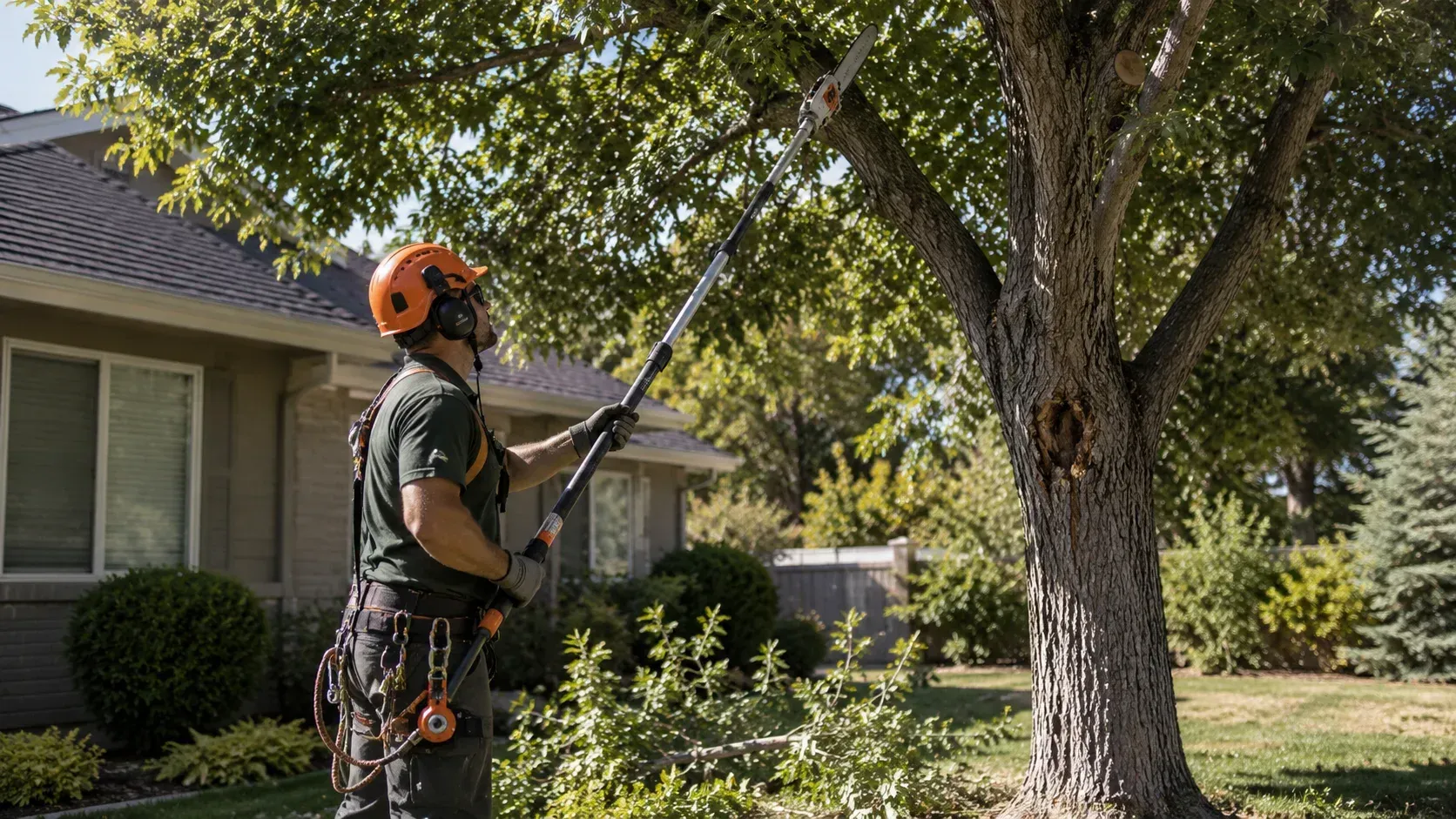
When Should You Hire a Snow Removal Service in Grand Junction, CO?
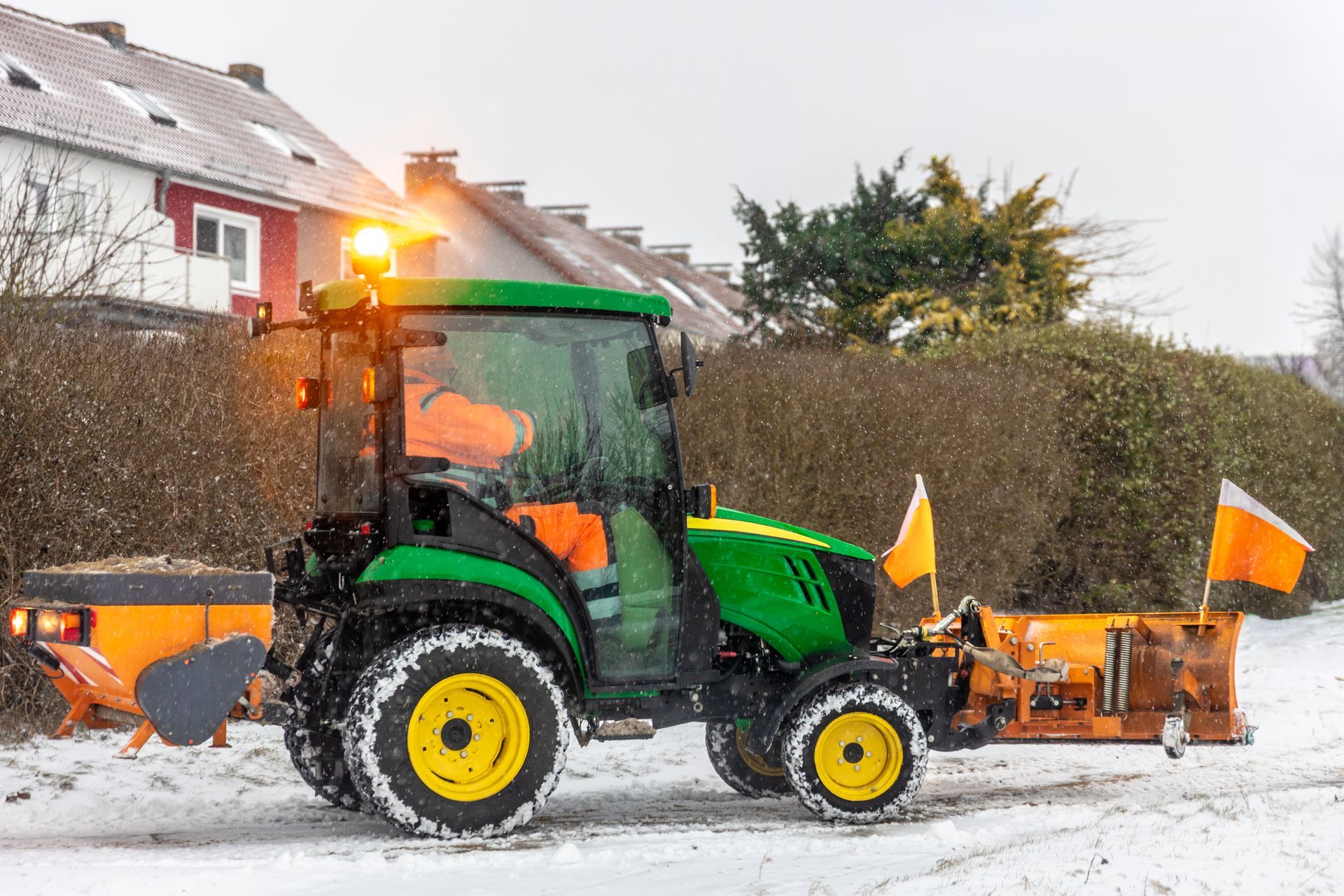
Table of Contents
- Introduction
- When Does Snow Removal Season Start in Grand Junction?
- When Should You Book Snow Removal?
- What Determines How Early You Should Book?
- Why Waiting Until the First Storm Can Be a Problem
- What Should You Ask a Snow Removal Company Before Hiring?
- Seasonal Contracts vs. Per-Storm Snow Removal
- How to Prepare Your Property Before Winter
- When Professional Snow Removal Makes the Most Sense
- Conclusion
- Need Snow Removal in Grand Junction?
- Frequently Asked Questions
Key Takeaways
- Late summer through early fall is generally a practical time to arrange snow removal before winter demand increases.
- Commercial properties, apartment complexes, and larger sites may need to plan earlier because service requires more equipment and coordination.
- Waiting until a major storm is approaching can limit provider availability and scheduling options.
- Before signing an agreement, clarify snow-depth triggers, areas covered, response expectations, ice management, and pricing.
- Property owners should identify priority walkways, entrances, parking areas, and access routes before winter weather arrives.
- A seasonal contract can provide greater scheduling predictability, while per-storm service may make more sense for properties with lower or less predictable snow-management needs.
Introduction
The best time to hire a snow removal service in Grand Junction, CO is before winter storms arrive, ideally during late summer or early fall when providers are building their seasonal schedules. Waiting until the first significant snowfall can leave property owners competing for limited availability, particularly when several properties need service at the same time.
Grand Junction's winter weather does not follow the same pattern every year, so planning does not necessarily mean predicting the exact date of the first storm. Instead, it means deciding how your property will be handled before snow becomes an immediate problem.
For homeowners, businesses, and property managers, that decision should account for the size of the property, areas that must remain accessible, how quickly snow needs to be cleared, and whether you need one-time service or ongoing snow removal.
When Does Snow Removal Season Start in Grand Junction?
Snow removal planning should begin before snow is regularly accumulating, rather than when a storm is already in progress.
Grand Junction's winter conditions can vary considerably. A property may experience relatively light snow for a period and then encounter a storm that creates immediate access concerns. That variability makes it difficult to rely entirely on a specific calendar date.
Instead of asking, "When will it snow?", property owners should ask:
- When does the property need to remain accessible?
- How quickly does snow need to be cleared?
- Which areas create the greatest safety concern?
- Who will handle snow if a storm arrives overnight?
- What happens if several storms occur close together?
For commercial and multi-unit properties, these questions are particularly important because snow management involves more than clearing a driveway. Parking areas, entrances, sidewalks, loading areas, and pedestrian routes may all need attention.
When Should You Book Snow Removal?
For most Grand Junction properties, September through early November is a reasonable planning window for arranging winter snow removal.
Booking during this period gives property owners time to compare service options, discuss site requirements, and establish expectations before winter demand increases.
That does not mean November is necessarily too late. Weather conditions and provider availability vary, and some properties may not need regular service. The important point is to avoid making the decision only after a significant storm is already forecast.
Commercial properties should plan earlier
Large properties typically require more than simply showing up with a plow.
A provider may need to determine:
- Where snow can be piled
- Which entrances have priority
- How parking areas should be cleared
- Which pedestrian routes need treatment
- Where equipment can safely operate
- Whether multiple pieces of equipment are required
- How the property will be accessed during a storm
The more complicated the property, the more useful advance planning becomes.
What Determines How Early You Should Book?
There is no single booking date that works for every property. Consider these factors when deciding how far ahead to arrange service.
Property size
A single residential driveway can be relatively straightforward to service. An apartment complex, commercial lot, or large property may require a detailed route and multiple clearing areas.
Number of people using the property
A property with employees, tenants, customers, or frequent visitors has more access and safety considerations than a rarely used private property.
Required response time
Think about how quickly snow needs to be removed.
For example, a business that opens early in the morning may need its parking and pedestrian areas addressed before employees and customers arrive. A private residence may have more flexibility.
Snow and ice management
Snow removal and ice management are related but not identical tasks. Ask whether the service includes deicing or whether that is handled separately.
Property layout
Tight parking areas, narrow driveways, slopes, multiple entrances, and limited snow-storage areas can all affect the amount of planning required.
Service availability
Perhaps the simplest factor is whether the provider you want is available.
If a company already has established seasonal routes, new clients may have fewer options once winter storms are underway.
Why Waiting Until the First Storm Can Be a Problem
Waiting until snow is already accumulating may seem reasonable if you expect a mild winter. The problem is that you are making the decision at exactly the time when demand can increase.
Availability may be limited
Established snow removal routes may already be full when a major storm approaches.
Your property may not be familiar to the crew
Last-minute service gives less time to discuss access points, parking arrangements, snow-storage locations, and problem areas.
You may have fewer service options
A property owner who plans early can compare different arrangements. A last-minute customer may have to accept whatever availability remains.
Snow can create access problems quickly
For businesses and multi-unit properties, waiting can allow snow to accumulate around entrances, parking areas, and walkways before a service plan is established.
The practical lesson is simple: don't wait for an emergency to create your winter maintenance plan.
What Should You Ask a Snow Removal Company Before Hiring?
Price is important, but it should not be the only consideration.
Before agreeing to service, ask what is actually included.
What triggers service?
Does the company respond after a specific amount of accumulation, or only when you request service?
Which areas are included?
Clarify whether the agreement covers:
- Driveways
- Parking lots
- Sidewalks
- Building entrances
- Loading areas
- Access lanes
- Other designated areas
How is ice handled?
Snow clearing may leave behind compacted snow or icy surfaces. Find out whether deicing is included and how it is billed.
How is pricing structured?
Possible arrangements can include seasonal agreements, per-visit pricing, or other structures. Make sure you understand what happens during an unusually active winter.
Where will snow be placed?
Snow needs somewhere to go. On larger properties, designated snow-storage areas should be identified before the first storm.
Who is responsible for moving parked vehicles?
For apartment complexes and commercial properties, vehicles can interfere with clearing operations. Establish expectations in advance.
These questions can prevent misunderstandings once winter weather arrives.
Seasonal Contracts vs. Per-Storm Snow Removal
Both approaches can make sense depending on the property.
Seasonal snow removal
A seasonal arrangement can provide greater predictability for properties that expect recurring winter service.
It may be appropriate for:
- Commercial properties
- Apartment complexes
- Frequently used facilities
- Properties where consistent access is important
The exact terms vary, so property owners should understand the contract's service triggers, coverage, exclusions, and payment structure.
Per-storm service
Per-storm arrangements may be suitable for properties with lower snow-management needs or owners who prefer to request service as conditions require.
The tradeoff is that availability may be less predictable during widespread storms.
Which option is better?
Don't choose based solely on the lowest advertised price.
Consider the consequences of not having the property cleared when you need it.
For a business, delayed snow removal can affect employees, customers, deliveries, and opening schedules. For a private property, the priorities may be limited to safe vehicle and pedestrian access.
The right arrangement depends on the property's actual needs.
How to Prepare Your Property Before Winter
Booking a service is only part of winter preparation.
Identify priority areas
Determine which areas need to be cleared first. This could include building entrances, main walkways, parking areas, or emergency access routes.
Remove obstacles
Move items that could become hidden beneath snow, including:
- Hoses
- Temporary signs
- Decorations
- Outdoor equipment
- Low objects around driveways and walkways
Mark important features
Curbs, drainage areas, landscaping borders, and other features can become difficult to see under snow. Marking them before winter can help equipment operators identify potential obstacles.
Plan snow-storage locations
Decide where accumulated snow can safely be placed without blocking drainage, entrances, visibility, or pedestrian routes.
Communicate the plan
For commercial and multi-unit properties, make sure tenants, employees, or other responsible parties understand parking and access procedures during snow events.
Good preparation makes the actual clearing process more efficient and reduces avoidable complications.
When Professional Snow Removal Makes the Most Sense
Professional snow removal is particularly useful when the property is too large, busy, or time-sensitive for the owner to manage safely and consistently.
Consider professional service if:
- The property has a large parking area
- Multiple walkways need clearing
- Employees, tenants, or customers depend on reliable access
- Snow must be removed before business hours
- The property owner cannot safely operate snow equipment
- Snow needs to be cleared repeatedly during a storm cycle
- There is limited space for storing accumulated snow
DIY snow clearing may be manageable for a small driveway after a light snowfall. It becomes much more complicated when the property is large, snow is heavy, conditions are icy, or the area needs to be cleared on a tight schedule.
Conclusion
The best time to arrange snow removal in Grand Junction is before winter demand peaks, rather than waiting until the first major storm is already underway.
Late summer and early fall provide a practical opportunity to evaluate your property's needs, compare service arrangements, and establish a plan.
The right timing also depends on property size, required response times, pedestrian and vehicle traffic, snow-storage options, and whether you need seasonal or per-storm service.
Most importantly, don't make snow removal an emergency decision. Knowing what needs to be cleared, where snow can be placed, and what your service agreement covers can make winter property management much easier.
Need Snow Removal in Grand Junction?
If you're preparing a home, commercial property, or managed site for winter, arranging snow removal before major storms arrive can give you more time to establish a practical service plan. Contact Tree Climbers Services to discuss snow removal needs and property access requirements.
Frequently Asked Questions
How far in advance should I book snow removal in Colorado?
It is generally best to arrange service before winter storms become frequent, with late summer through early fall being a practical planning period. Larger commercial and multi-unit properties may benefit from planning even earlier.
How does winter storm snow removal scheduling usually work for properties?
We often schedule winter storm snow removal based on snowfall triggers or accumulation levels defined in seasonal agreements.
Is it better to sign a seasonal snow removal contract?
A seasonal contract can be useful when a property needs reliable, recurring snow service throughout winter. For properties with limited or unpredictable needs, per-storm service may be a better fit. Review the specific pricing, service triggers, and coverage before deciding.
What does a snow removal service usually include?
Coverage varies by provider, but services may include clearing driveways, parking areas, sidewalks, entrances, and access lanes. Snow removal and ice treatment may be separate services, so confirm exactly what your agreement covers.
What should I do before the first snowfall?
Identify priority areas, remove obstacles, mark curbs and other hidden features, determine where snow can be stored, and communicate parking or access procedures to everyone who uses the property.
What happens if I wait until it snows to hire a snow removal company?
You may have fewer providers or time slots available because established customers and storm-response routes are often prioritized first. Last-minute booking can also leave less time to discuss property access, snow-storage locations, and service expectations.
Related Posts