The Importance of Professional Stump Removal for a Healthy, Usable Landscape
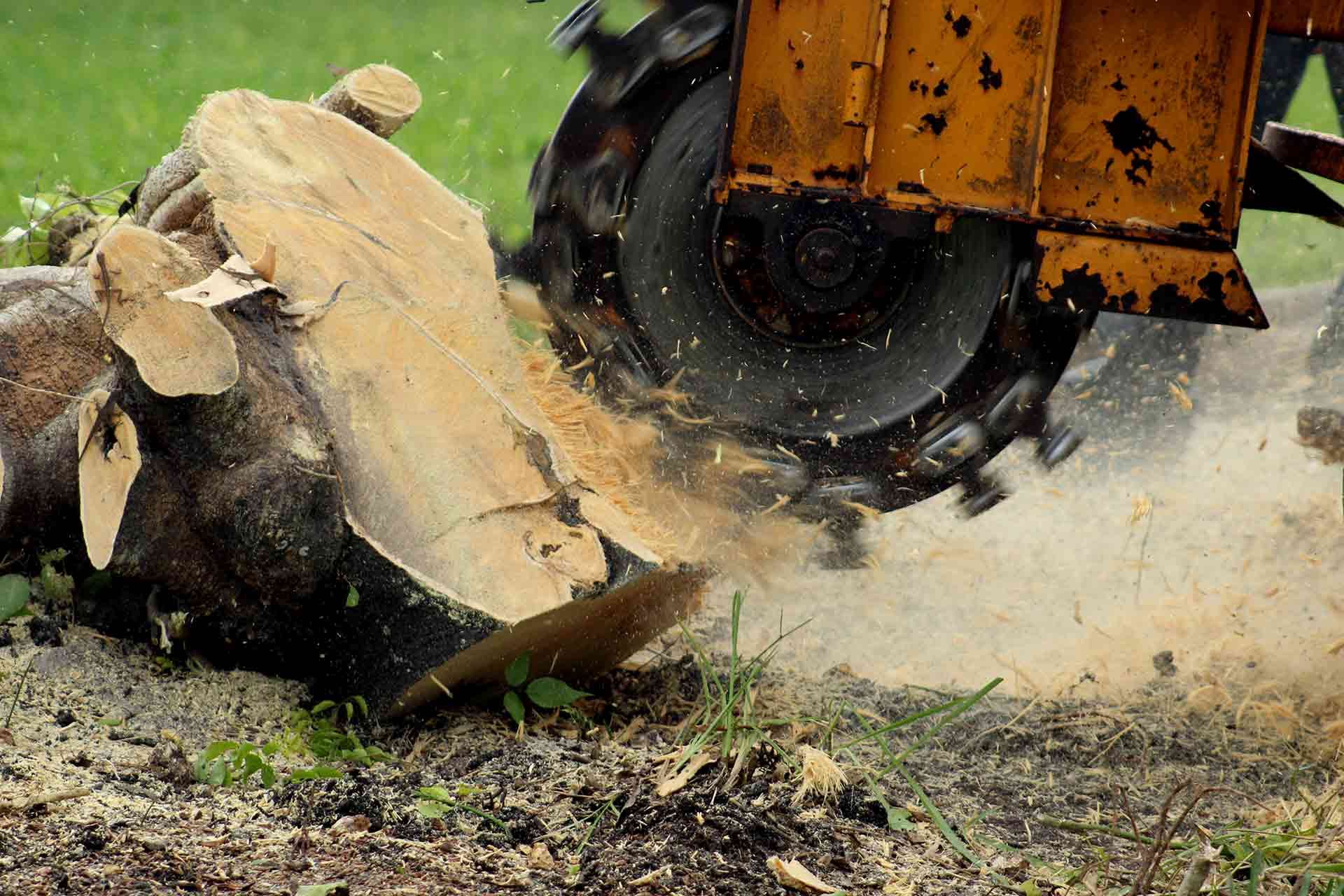
Table of Contents
- Introduction
- What Happens If You Leave a Tree Stump Behind?
- When Should You Remove a Tree Stump?
- How Stump Grinding and Full Stump Removal Differ
- Can an Old Stump Cause Pest or Plant Problems?
- How Removing a Stump Improves Your Landscape
- What DIY Stump Removal Gets Wrong
- How to Choose a Stump Removal Company
- What to Expect From Professional Stump Removal
- Conclusion
- Need Stump Removal in Grand Junction?
- Frequently Asked Questions
Key Takeaways
- A tree stump can remain a practical problem long after the tree itself has been removed.
- Decaying stumps can provide habitat for insects and fungi and may continue producing unwanted growth.
- Stump grinding and full stump removal solve different problems, so the right method depends on how you plan to use the area.
- Removing a stump can make mowing, landscaping, planting, and outdoor activities easier.
- DIY removal can become difficult when the stump is large, deeply rooted, or located near structures or other landscaping.
- A professional assessment should consider stump size, location, surrounding conditions, and your plans for the area.
Introduction
Professional stump removal can make a landscape safer, easier to maintain, and more usable after a tree has been removed. A remaining stump may initially seem like a minor cosmetic issue, but it can become an obstacle for mowing, landscaping, foot traffic, or future planting as the surrounding yard changes.
For property owners in Grand Junction and surrounding communities, the decision is usually less about removing every stump immediately and more about determining what the stump is preventing you from doing with the property. A stump in an unused corner may be a lower priority than one in a lawn, beside a walkway, or where you plan to install landscaping.
Tree Climbers Services provides professional stump removal and grinding, with the company describing both below-ground stump grinding and complete stump extraction as available approaches.
What Happens If You Leave a Tree Stump Behind?
Leaving a stump alone is not automatically a disaster. However, it does mean accepting several ongoing maintenance and landscape considerations.
It can remain a physical hazard
A low stump can be difficult to see when grass grows around it. That can make it a nuisance for people walking through the yard and can create problems when mowing.
The risk becomes more obvious when a stump is located along a frequently used path, in a play area, or somewhere equipment regularly passes.
It can interfere with landscaping
A stump occupies space that could otherwise be used for:
- New planting
- Lawn expansion
- Garden beds
- Patios or other outdoor improvements
- Landscaping features
- Open play or recreation areas
If you already know what you want to do with the space, leaving the stump in place can turn a straightforward landscaping project into a more complicated one.
It may produce new growth
Some tree species can send up shoots from the remaining stump or roots. Tree Climbers Services specifically notes unwanted regrowth as one reason property owners may choose professional stump removal.
Repeatedly cutting those shoots does not necessarily address the underlying stump.
When Should You Remove a Tree Stump?
There is no universal deadline for removing a stump. Instead, consider what the stump is doing—or preventing—on your property.
Remove it sooner when it affects safety
A stump in a high-traffic area deserves more attention than one located somewhere people rarely enter.
Consider prioritizing removal if the stump is:
- Along a walkway
- Near stairs
- In a play area
- Difficult to see in grass
- Located where lawn equipment passes frequently
Remove it when you're changing the landscape
If you're planning to install sod, plant in the area, expand a garden, or create another outdoor feature, stump removal should be considered before the project begins.
Tree Climbers Services notes that its stump removal process can include grinding below ground level, while full extraction is available for customers who want the stump and root system removed.
Consider removal when the stump is decaying
A decaying stump does not necessarily mean an immediate threat to the rest of the landscape. However, decomposing wood can attract insects and fungi, and an increasingly soft or irregular stump can become harder to manage around.
If you're concerned about pests or the condition of nearby plants, a professional assessment can help determine whether the stump should be addressed.
How Stump Grinding and Full Stump Removal Differ
One of the most important decisions is understanding that stump grinding and complete stump removal are not the same process.
Stump grinding
Grinding reduces the stump to below-ground level using specialized equipment. The visible stump is removed and the remaining material can then be covered or incorporated into the restoration of the area.
This approach can be useful when your primary goal is to eliminate the visible obstacle and make the surface usable again.
Tree Climbers Services describes stump grinding as a process that takes the stump below ground level and states that the company uses specialized machinery for this work.
Full stump removal
Complete removal involves extracting the stump and root system rather than simply grinding the stump down.
This approach can make more sense when you need the area completely cleared for a particular future use, such as replanting in the same location.
Which option is better?
Ask what you intend to do with the area.
Grinding may be appropriate when:
- You primarily want the stump gone from the surface.
- You want to reclaim the area for lawn or general landscaping.
- Complete root extraction isn't necessary for your plans.
Full removal may be preferable when:
- You want the root system removed.
- You plan to replant in the same location.
- The project requires the area to be completely excavated.
The best choice depends on the property and the intended use of the space rather than on the assumption that one method is always superior.
Can an Old Stump Cause Pest or Plant Problems?
Decaying wood can provide habitat for insects and fungi. Tree Climbers Services identifies termites, ants, and other wood-boring insects as potential concerns associated with neglected stumps and also notes that decaying stumps can encourage fungal growth.
That does not mean every stump will cause a pest infestation or spread disease to your landscape. The surrounding conditions matter.
A better way to think about the issue is that a decaying stump is another source of organic material and habitat in the yard. If you already have concerns about insects, fungi, or declining plants, removing the stump may be one practical step in addressing the overall landscape.
Don't assume stump removal fixes every pest problem
If you find termites, ants, or another pest around a stump, removing the stump may eliminate one potential habitat, but it does not necessarily address an established infestation elsewhere.
Likewise, a plant that is struggling near an old stump may have several possible causes. Avoid assuming that the stump is automatically responsible.
This distinction is important because stump removal is landscape maintenance, not a substitute for diagnosing a pest or plant-health problem.
How Removing a Stump Improves Your Landscape
The most immediate benefit of stump removal is often practical rather than cosmetic.
Easier lawn maintenance
A stump can force you to mow around it, trim around it, or leave an awkward patch of grass untouched. Removing it gives you a more continuous surface to maintain.
More usable space
Once the stump is gone, the area can become available for other purposes.
Depending on the property, that could mean:
- Expanding lawn
- Planting
- Adding mulch
- Creating a garden
- Installing another landscape feature
- Preparing for future construction
A cleaner appearance
A stump can make a recently cleared landscape look unfinished. Removing it creates a more consistent appearance, particularly when the surrounding area has already been landscaped.
Better preparation for future projects
Tree Climbers Services states that its stump removal process can include filling the resulting hole and, when desired, topsoil and reseeding to restore the landscape.
If you intend to restore the area, ask the contractor exactly what restoration is included rather than assuming that stump removal automatically means finished landscaping.
What DIY Stump Removal Gets Wrong
Small stumps can sometimes look deceptively manageable. The difficulty becomes apparent once you start dealing with the roots, surrounding soil, and weight of the remaining wood.
Manual digging is labor-intensive
A shovel, mattock, and saw may work on a very small stump, but larger root systems can turn the project into a substantial excavation.
Chemical approaches can take time
Chemical stump treatments are not an instant solution. They can take considerable time to break down the wood and may not be appropriate when you need the area cleared for an upcoming landscaping project.
Burning is not a universal solution
Burning a stump can create fire and property risks, and it does not necessarily produce the clean, ready-to-use area a homeowner expects.
Grinding requires specialized equipment
Professional stump grinding uses machinery designed specifically for the job. Tree Climbers Services states that it uses specialized equipment to grind stumps below the surface.
For large stumps, restricted-access locations, or areas close to structures and landscaping, professional equipment can make the difference between a controlled project and an unnecessarily difficult one.
How to Choose a Stump Removal Company
The right contractor should be evaluated on more than whether they own a stump grinder.
Ask how they will approach your particular stump
A useful assessment should consider:
- Stump size
- Location
- Access for equipment
- Surrounding landscaping
- Nearby structures
- Your intended use of the area afterward
Tree Climbers Services says its process begins by evaluating the stump's size, location, and surrounding environment before determining the appropriate approach.
Clarify the scope of work
Before work begins, ask:
- How far below ground will the stump be ground?
- Is cleanup included?
- What happens to the resulting chips?
- Will the hole be filled?
- Is topsoil included?
- Is reseeding available?
- Will exposed roots be addressed?
- Is full stump extraction available if needed?
These questions prevent a common problem: assuming "stump removal" includes everything required to restore the landscape.
Check whether the contractor serves your area
Tree Climbers Services lists Grand Junction, Fruita, Clifton, Orchard Mesa, and Palisade among its service areas.
What to Expect From Professional Stump Removal
A professional stump-removal project should have a clear sequence rather than simply starting with the grinder.
Tree Climbers Services describes the process in four stages:
- Assessment and consultation — evaluating the stump, its location, and surrounding conditions.
- Stump grinding — using specialized equipment to grind the stump below ground level when that method is appropriate.
- Complete removal when requested — extracting the stump and root system where full removal is the better fit.
- Cleanup and restoration — cleaning debris, filling the resulting hole, and offering topsoil and reseeding when desired.
The key point is that the project should be planned around what you want the area to become afterward.
If your goal is simply to eliminate a mowing obstacle, grinding may be sufficient. If you're preparing the location for another tree or a larger landscape project, complete extraction may deserve consideration.
Conclusion
A tree stump does not automatically become an emergency the moment a tree is removed, but leaving it indefinitely can limit how you use and maintain your landscape. Stumps can create mowing and trip hazards, interfere with future landscaping, produce unwanted growth, and provide habitat for insects and fungi.
The most useful question is not simply "Should every stump be removed?" It's "What do I need this part of my property to do?"
If the stump is in the way, creating a safety concern, interfering with landscaping, or becoming increasingly difficult to manage, professional stump removal can turn an otherwise awkward part of the yard into usable space.
Need Stump Removal in Grand Junction?
If an old stump is interfering with your lawn, landscaping plans, or property maintenance, Tree Climbers Services provides professional stump grinding and removal for properties in Grand Junction and surrounding communities. The company's service includes assessment, specialized equipment, cleanup, and restoration options depending on the project.
Contact Tree Climbers Services to request a free estimate or discuss the right approach for your stump.
Frequently Asked Questions
Is stump grinding the same as stump removal?
No. Stump grinding reduces the stump below ground level using specialized equipment, while complete stump removal involves extracting the stump and root system. The appropriate option depends on how you plan to use the area.
How soon should a stump be removed after a tree is cut down?
There is no universal deadline. Consider removing it sooner if it creates a safety hazard, interferes with mowing or landscaping, produces unwanted growth, or is located where you plan to use the space.
Can a tree stump attract pests?
Decaying stumps can provide habitat for insects, including ants and some wood-boring insects. Tree Climbers Services identifies pest attraction as one reason property owners may choose to remove old stumps.
Will stump grinding remove the roots?
Grinding removes the stump below the surface but does not necessarily extract the entire root system. If complete root removal is important for your project, ask whether full stump extraction is appropriate.
Can I plant or landscape where a stump was removed?
Yes, but the appropriate preparation depends on the removal method and your planned use of the area. Tree Climbers Services states that its restoration options can include filling the hole with topsoil and reseeding when desired.
Related Posts