How Emergency Tree Services Can Limit Damage After a Storm
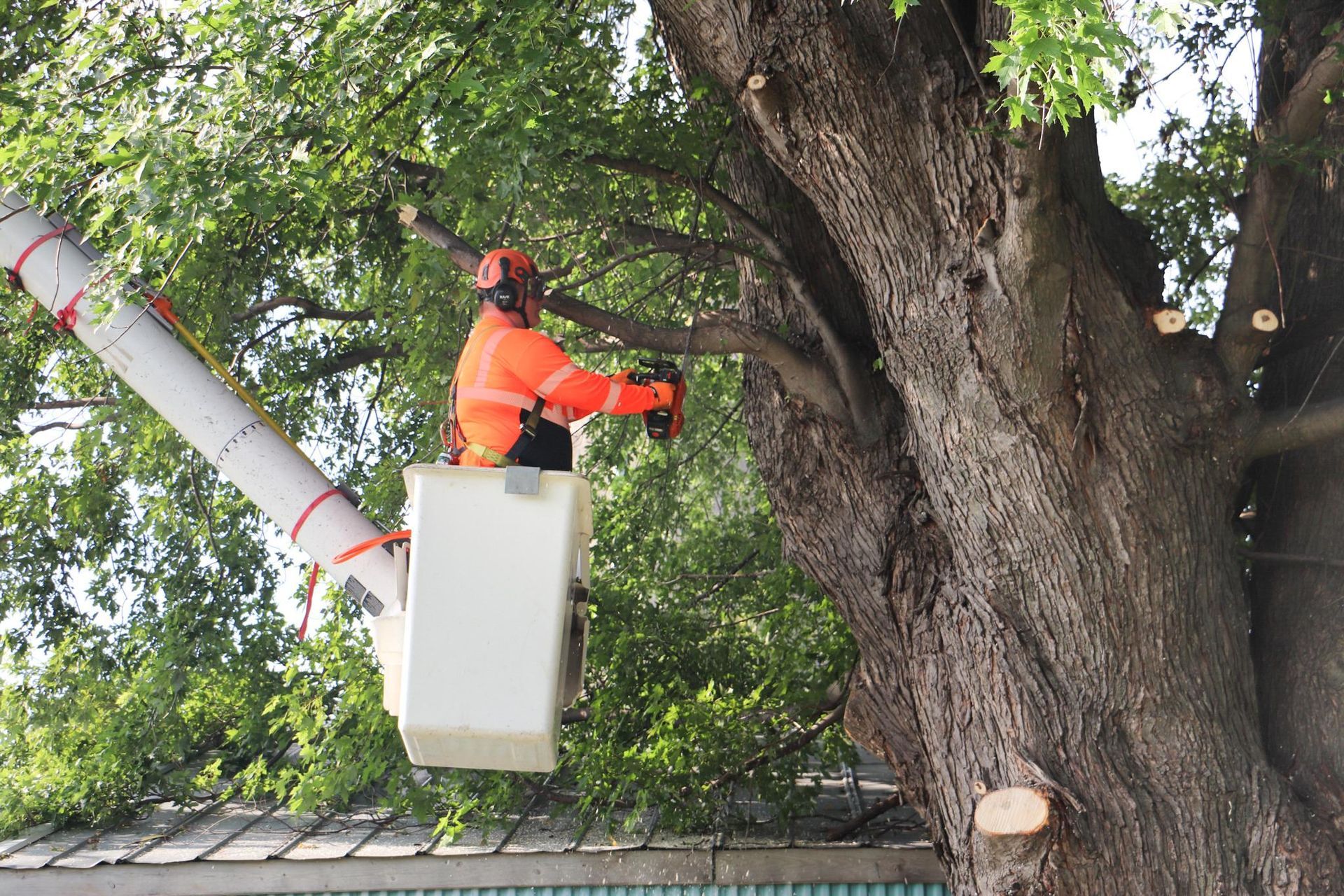
Table of Contents
- Introduction
- What Makes Storm-Damaged Trees an Emergency?
- What Should You Do Immediately After a Tree-Damaging Storm?
- When Is Emergency Tree Removal Necessary?
- Why Storm-Damaged Trees Are Dangerous to Handle Yourself
- What Professional Emergency Tree Removal Involves
- What Happens to Fallen Trees and Debris?
- What About Insurance After Storm Damage?
- How to Reduce the Risk of Future Storm Damage
- How to Choose an Emergency Tree Service
- Conclusion
- Need Emergency Tree Removal?
- Frequently Asked Questions
Key Takeaways
- Storm damage can leave trees, limbs, and root systems unstable even when the danger is not immediately obvious.
- Downed trees near structures, vehicles, roads, or other frequently used areas should be treated as potential hazards.
- Homeowners should not cut or climb storm-damaged trees themselves, particularly when utility lines or unstable limbs are involved.
- Professional emergency tree removal begins with assessing the tree and surrounding property before deciding how to remove it.
- Cleanup matters because fallen branches and tree debris can continue to obstruct access or create hazards after the immediate emergency.
- Photographing storm damage and keeping estimates and invoices can help provide useful documentation when discussing the damage with an insurer.
- Preventive trimming, deadwood removal, and tree assessments can reduce some storm-related risks before the next severe weather event.
Introduction
Emergency tree service can help limit additional property damage and restore safe access after a storm leaves trees or large limbs in dangerous positions. A tree that has fallen across a driveway is an obvious problem, but storm damage can also leave partially broken limbs, leaning trunks, damaged roots, and suspended branches that create hazards after the weather has passed.
For property owners in Grand Junction and surrounding Western Slope communities, the first priority after a damaging storm should be safety rather than immediately trying to clean up the yard.
If a storm has left a tree threatening your home, business, vehicles, or access routes, emergency tree removal can provide a safer way to address the hazard than attempting to handle unstable material yourself.
What Makes Storm-Damaged Trees an Emergency?
Not every broken branch requires emergency tree removal. Some damage can wait for a scheduled assessment, while other situations require prompt attention.
The key question is whether the damaged tree or limb presents an immediate or developing hazard.
A tree is leaning toward a structure
A tree that has shifted toward a house, garage, fence, vehicle, or other structure deserves careful evaluation. A sudden change in lean can indicate that the tree's supporting structure has been compromised.
Tree Climbers Services specifically identifies leaning or unstable growth and severe storm damage among conditions that can make tree removal necessary.
Large limbs are hanging overhead
A broken limb that remains suspended in the canopy can be more difficult to assess than a branch already lying on the ground.
Wind, gravity, additional rain, or movement elsewhere in the tree can change the situation. Staying clear of the area and having the damage assessed is safer than attempting to pull or cut the limb down yourself.
A tree has fallen across an access route
A fallen tree blocking a driveway, entrance, road, or other essential access point can quickly become both a safety and logistical problem.
Professional removal can help clear the obstruction while accounting for the weight and position of the tree.
The tree is near utility infrastructure
Trees and power lines are an especially serious combination.
Do not approach, cut, climb, or attempt to move a tree that is contacting or entangled with electrical lines. Treat the area as an electrical hazard and contact the appropriate utility or emergency authority before anyone attempts tree work.
What Should You Do Immediately After a Tree-Damaging Storm?
The first few minutes of storm cleanup should be about identifying hazards, not grabbing a chainsaw.
1. Stay away from unstable trees
A damaged tree can move unexpectedly. Keep children, pets, and other people away from the area until the situation has been assessed.
2. Look for utility hazards
Check whether branches or trunks have fallen onto or near electrical lines. Do not assume a line is safe because it appears inactive.
3. Photograph the damage from a safe location
Photos can document the condition of the property before cleanup. Capture fallen trees, damaged limbs, affected structures, and other visible storm-related damage without entering an unsafe area.
4. Protect exposed areas if possible, but don't create another hazard
If a storm has damaged a roof, window, or another part of the building, contact the appropriate emergency or building professional. Do not climb onto a damaged roof simply to inspect a tree or limb.
5. Decide what requires immediate attention
Not every fallen branch needs an emergency response. Prioritize situations involving:
- People or occupied areas
- Homes and other structures
- Vehicles
- Utility infrastructure
- Blocked entrances or essential access
- Large unstable trees or suspended limbs
This approach helps distinguish an actual emergency from routine post-storm cleanup.
When Is Emergency Tree Removal Necessary?
Emergency tree removal is generally appropriate when a tree has become an immediate hazard because of storm damage, instability, or its position.
Tree Climbers Services states that its emergency tree removal service addresses fallen or dangerous trees following storms and other unpredictable weather.
Signs that warrant prompt professional attention include:
A major trunk has split.
A split trunk can change the structural stability of the entire tree.
The tree has suddenly changed position.
A new lean after high winds may indicate damage below ground or within the tree.
A large branch has broken but remains attached.
Suspended limbs can fall unpredictably.
The tree has landed on a structure.
Even if the tree appears stable, its weight can create additional structural problems.
The root plate has lifted.
A partially uprooted tree may remain unstable even if the trunk has not fallen.
The tree is blocking essential access.
A large tree across a driveway or entrance may require specialized equipment to clear safely.
The important distinction is that visual appearance alone is not always enough to determine whether a damaged tree is safe.
Why Storm-Damaged Trees Are Dangerous to Handle Yourself
Storm cleanup can look deceptively straightforward.
A branch is broken. A trunk is lying down. The obvious solution seems to be cutting the material into smaller pieces.
The problem is that damaged trees can contain stored tension and unstable weight. Cutting one part can cause another section to move unexpectedly.
Common DIY mistakes include:
- Cutting a suspended limb without understanding how it is loaded
- Working beneath a hanging branch
- Attempting to move a large trunk without appropriate equipment
- Climbing a damaged tree
- Using a chainsaw in an unstable work area
- Working near electrical lines
- Allowing people or vehicles into the fall zone
Tree Climbers Services describes its removal process as beginning with an assessment, followed by preparation and safety measures, controlled cutting and removal, and debris cleanup.
That sequence matters because the safest removal method depends on the tree's condition and surroundings.
What Professional Emergency Tree Removal Involves
Emergency tree removal is not simply faster versions of ordinary tree cutting.
The first step should be determining what has changed and how the damaged tree can be safely managed.
Assessment and consultation
The crew evaluates the tree's condition and the surrounding property to determine an appropriate removal strategy.
Important considerations may include:
- Where the tree or limb is resting
- Whether the tree is still attached to its root system
- Nearby buildings and vehicles
- Access for equipment
- Other trees that could affect the removal
- Utility infrastructure
- Where sections of the tree can safely be lowered
Preparation and safety measures
The surrounding area needs to be controlled before cutting begins.
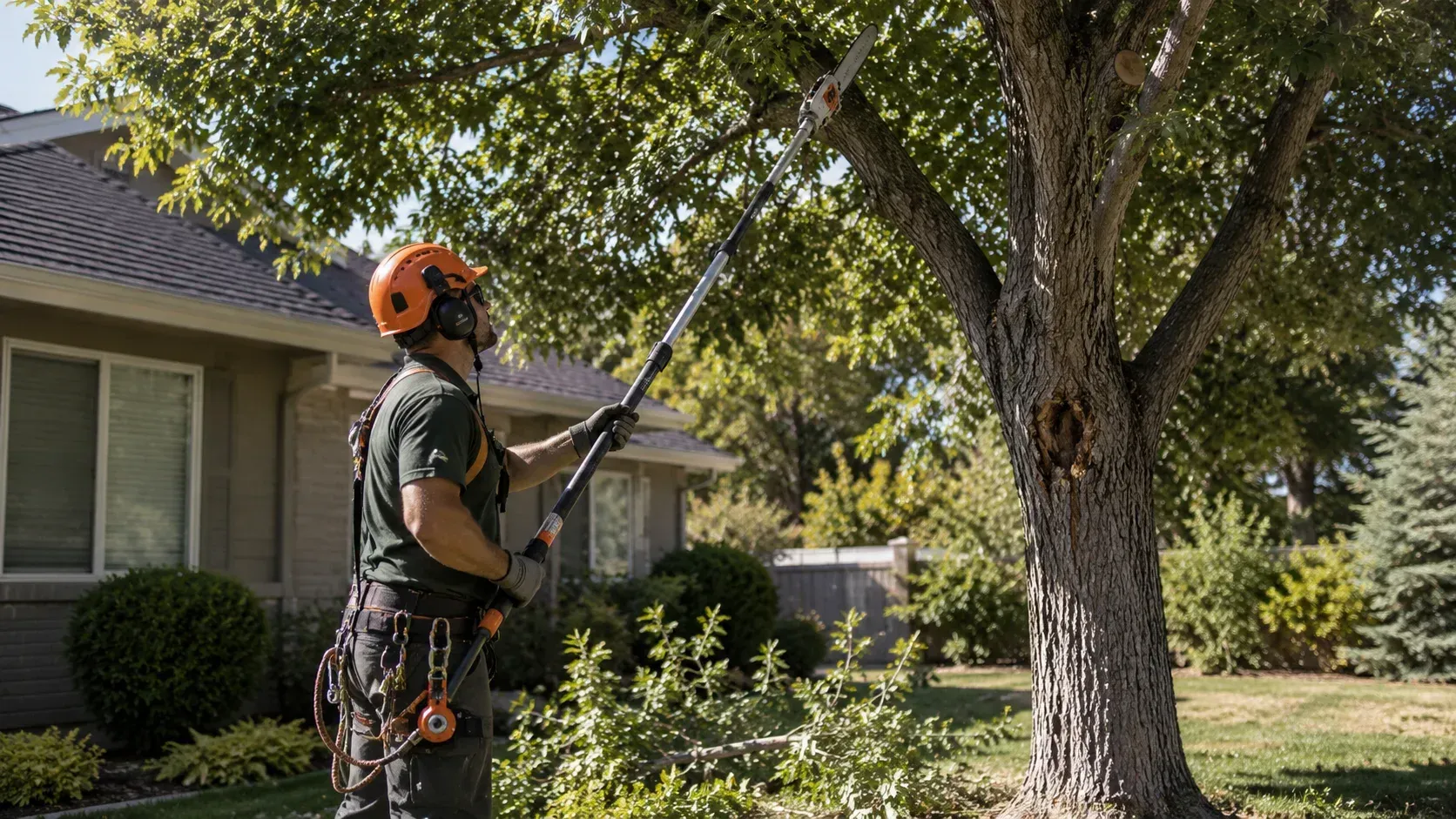
Tree Climbers Services states that its removal process includes setting up safety equipment and securing the surrounding area to reduce the possibility of property damage.
Controlled removal
Rather than simply allowing a damaged tree to fall, professional crews can cut and lower sections in a controlled sequence when conditions permit.
Tree Climbers Services describes using specialized equipment and techniques to remove trees in sections.
Cleanup
After the hazardous material is removed, the remaining debris needs to be addressed.
The company's FAQ states that it removes debris after tree trimming or removal, leaving the property ready to use.
What Happens to Fallen Trees and Debris?
Storm cleanup can involve considerably more material than the original tree owner expects.
Depending on the situation, debris may include:
- Large trunk sections
- Broken limbs
- Smaller branches
- Leaves
- Sawdust and wood chips
- Damaged landscape material
A good cleanup plan should be discussed before the work begins.
Ask these questions:
- Will the branches be removed?
- What happens to large sections of trunk?
- Will wood be chipped or left on the property?
- Is cleanup included in the estimate?
- Does stump removal require a separate service?
- Will the work area be left accessible?
Tree Climbers Services says debris cleanup is part of its tree removal process and also offers stump removal when requested.
If a storm has left a stump or damaged trunk base behind, stump removal may be a separate step in restoring the area.
What About Insurance After Storm Damage?
Storm damage can create an additional administrative problem: documenting what happened and determining which repairs may be covered by your insurance policy.
Coverage varies by policy and circumstance, so a tree service should not be treated as a substitute for your insurer or insurance professional.
Document the damage
When it is safe to do so:
- Photograph the damaged tree and surrounding property.
- Photograph damage to structures or other property.
- Record when the storm occurred.
- Keep estimates, invoices, and other relevant documents.
- Avoid discarding significant evidence before discussing the claim with your insurer when practical.
Ask your insurer what it requires
Policies differ. Your insurer may have specific procedures for documenting storm damage, obtaining estimates, or arranging repairs.
Don't assume that tree removal, stump removal, landscaping restoration, and structural repairs are all treated the same way under your policy.
The safest approach is to document the situation, contact your insurer promptly when appropriate, and keep records of professional work performed.
How to Reduce the Risk of Future Storm Damage
You cannot prevent severe weather, but you can address some tree-related risks before the next storm.
Schedule regular tree assessments
A professional assessment can identify dead, damaged, or structurally concerning branches before they become storm debris.
Address deadwood
Dead branches can become hazards during high winds. Removing appropriate deadwood as part of routine tree care can reduce potential hazards.
Don't ignore structural changes
A tree that has developed a significant lean, split, cavity, or other structural concern should be evaluated rather than ignored.
Keep branches away from structures where appropriate
Overhanging branches may become problematic during severe weather. Professional pruning can help manage certain risks while preserving the health and structure of the tree.
Tree Climbers Services lists trimming, pruning, hazardous-limb cutting, and structural tree care among its services, and its website recommends proactive seasonal tree care as part of year-round maintenance.
The goal is not to remove every potentially troublesome branch. Good preventive tree care is about identifying and managing meaningful risks without unnecessarily removing healthy trees or branches.
How to Choose an Emergency Tree Service
A storm can create pressure to hire the first company that answers the phone. That is understandable, but qualifications still matter.
Confirm emergency availability
Tree Climbers Services currently states that emergency services are available 24/7 and specifically offers emergency tree removal after storms.
Ask what the company actually handles
Emergency tree service can mean different things. Confirm whether the company handles:
- Fallen trees
- Dangerous standing trees
- Broken limbs
- Storm debris
- Cleanup
- Stump work
Look for a clear safety process
A qualified company should be able to explain how it will approach the specific hazard rather than simply providing a price over the phone.
Confirm the scope of work
Before work begins, establish what the estimate includes. This is particularly important when the storm has created multiple problems on the same property.
Check that the company serves your location
Tree Climbers Services lists Grand Junction, Fruita, Clifton, Orchard Mesa, and Palisade among its service areas and states that it serves residential and commercial properties.
Conclusion
Storm damage can turn an otherwise healthy tree into a serious property hazard in a matter of minutes. The most important response is not necessarily to remove everything immediately. It is to identify what is dangerous, keep people away from unstable areas, address utility hazards appropriately, document the damage, and bring in qualified professionals when removal is necessary.
Emergency tree removal can help restore safe access and prevent an unstable tree or limb from creating additional problems. But the quality of the response depends on proper assessment, controlled removal, appropriate equipment, and thorough cleanup.
For property owners in Grand Junction and nearby communities, having a tree service contact available before severe weather arrives can also eliminate one decision when time matters most.
Need Emergency Tree Removal?
If a storm has left a dangerous tree, broken limb, or fallen tree on your property, Tree Climbers Services provides emergency tree removal and cleanup and states that emergency services are available 24/7. The company serves Grand Junction and surrounding communities, including Fruita, Clifton, Orchard Mesa, and Palisade.
Contact Tree Climbers Services to discuss storm damage or request assistance with an urgent tree hazard.
Frequently Asked Questions
What should I do if a tree falls on my house?
Stay away from the damaged area if there are structural or electrical hazards, and contact the appropriate emergency services or utility provider when necessary. Document the damage from a safe location and contact your insurer if a claim may be appropriate. A qualified tree service can then assess and remove the tree when it is safe to do so.
Can I cut up a storm-damaged tree myself?
Small branches that are safely on the ground may be manageable for some homeowners, but large trees, suspended limbs, unstable trunks, uprooted trees, and damage near structures or utility lines should be left to qualified professionals.
How quickly should a dangerous storm-damaged tree be removed?
There is no universal response time because the urgency depends on the tree's condition and location. A tree threatening a structure, blocking critical access, or involving utility infrastructure deserves prompt attention.
Does emergency tree removal include cleanup?
It can, but the exact scope should be confirmed before work begins. Tree Climbers Services states that debris cleanup is part of its tree removal process.
Does homeowners insurance cover storm-damaged tree removal?
Coverage depends on the specific policy and circumstances of the damage. Contact your insurance provider to determine what is covered and what documentation is required. Keep photographs, estimates, invoices, and other records related to the storm and subsequent work.
Related Posts