How Do You Know If a Tree Is Too Close to Your House?
Table of Contents
- Introduction
- Understanding the Problem
- How Tree Removal Helps
- Benefits of Addressing a Tree That Is Too Close to Your House
- Related Insights and Resources
- Common Mistakes to Avoid
- When Should You Speak With a Professional?
- Conclusion
- Frequently Asked Questions
Key Takeaways
- A tree too close to your house is generally one where roots, branches, or the trunk could realistically affect the foundation, roof, or siding.
- How close can a tree be to a house depends on the tree's mature size, root spread, and growth habits, not just its current size.
- A tree near house structures can contribute to issues like gutter debris, shaded roofing, or root pressure on hardscaping.
- Branches overhanging or touching the roof are one of the more visible signs that a tree may be planted too close.
- Distance alone does not tell the whole story. Tree health and species also play a role in long term risk.
Introduction
A tree too close to your house is generally one where roots are within a few feet of the foundation, branches overhang or touch the roof, or the trunk is close enough that future growth could affect siding, gutters, or utility lines. If you are unsure, tree removal professionals can assess distance, root spread, and risk for your specific property.
This is especially worth checking if the tree is also showing signs a tree is dying, since a weakened tree close to a structure carries added risk.
Trees planted decades ago, often when they were small, can grow into something quite different from what was originally intended. This article looks at how to tell if a tree near house structures has become a concern, and what factors matter most.
Understanding the Problem
Common Customer Concerns
Homeowners often have similar questions about trees near their homes:
- "Is there a general rule for how close can a tree be to a house?"
- "Our tree was planted small. Does it matter if it's grown a lot since then?"
- "Branches are touching the roof. Is that actually a problem?"
- "Could roots be affecting our foundation even if we can't see them?"
- "Does the type of tree matter, or is it mainly about distance?"
What Makes a Tree Too Close to a House
A few factors commonly come into play when evaluating whether a tree is too close:
- Root spread. Many trees have root systems that extend well beyond their canopy, which can affect foundations, driveways, or underground utilities over time.
- Mature size versus current size. A tree that seems fine now may be too close once it reaches full size, especially with fast growing species.
- Branch contact with the roof. Branches that touch or overhang the roof can deposit debris, hold moisture against shingles, or rub against the surface in wind.
- Shading and moisture. Trees close to a house can keep certain areas of the roof or siding shaded and damp, which may contribute to issues like moss or algae growth over time.
- Species growth habits. Some species are more prone to aggressive root systems or rapid growth, which can make distance more important.
Why It Matters
A tree near house structures is not automatically a problem, but the combination of distance, species, and tree health all play a role in how much risk it presents. A small, healthy tree planted with future size in mind is very different from a large, mature tree that has grown closer to a structure than originally expected.
How Tree Removal Helps
The Process
When a tree near a house is being evaluated, the process generally looks like this:
- Assessing current distance and growth pattern, including how branches and roots relate to the structure.
- Considering the tree's species and expected mature size, especially if the tree is still relatively young.
- Checking for visible signs of conflict, such as branches touching the roof or roots affecting nearby hardscaping.
- Discussing options, which may range from pruning to full removal depending on findings.
Approach and Key Considerations
How close can a tree be to a house is not a single fixed number. A small ornamental tree with a compact root system may be perfectly fine close to a foundation, while a large shade tree with an aggressive root system might be too close even at a greater distance.
When Pruning May Be Enough
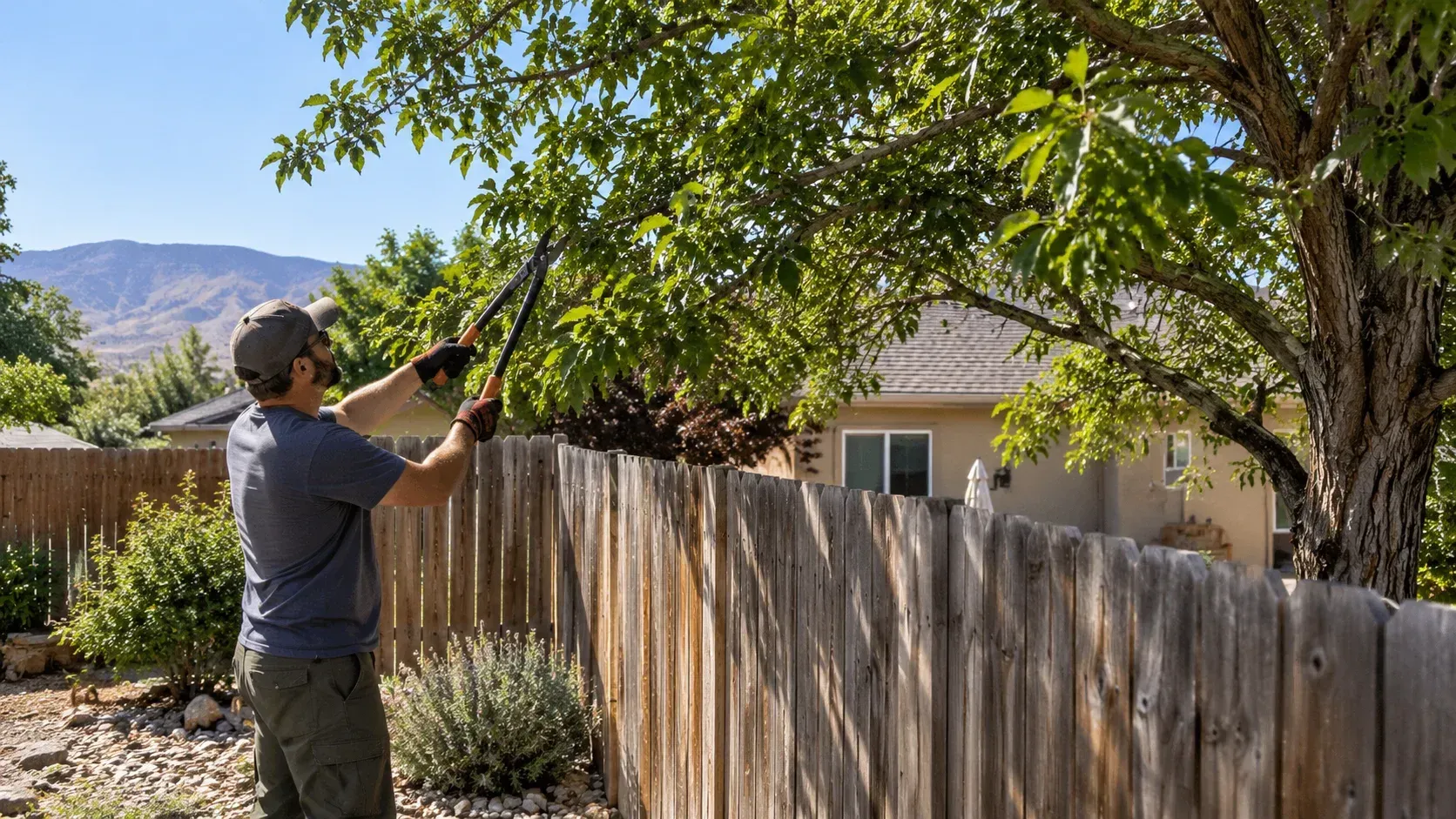
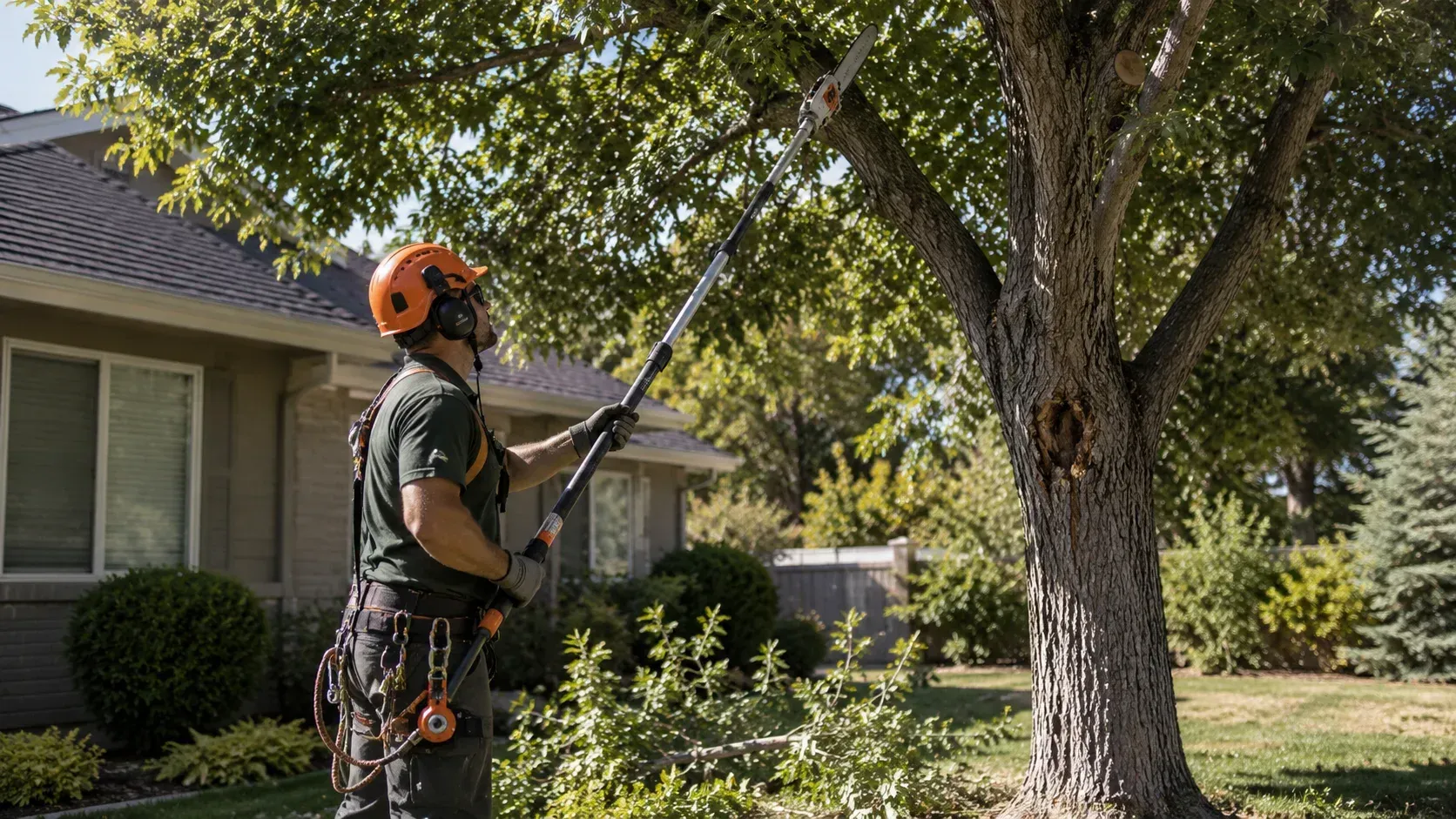
If the main concern is branches overhanging the roof or gutters, pruning back the canopy may address the issue without removing the tree entirely, depending on the species and overall health of the tree.
When Removal Becomes the More Practical Option
If a tree near house structures is showing signs of root related issues, significant lean toward the structure, or is combined with signs the tree itself is declining, removal is often the more practical long term option.
Benefits of Addressing a Tree That Is Too Close to Your House
Reduced Risk to the Foundation
Addressing root related concerns early can help reduce the chances of long term pressure on foundations, driveways, or underground utilities.
Less Roof and Gutter Maintenance
Branches that no longer overhang the roof generally mean less debris in gutters and less moisture sitting against shingles.
Improved Light and Airflow
Removing or pruning a tree that is too close to the house can improve natural light and airflow around that side of the property.
Lower Risk During Storms
A tree near house structures that is also showing signs of decline can pose a greater risk during high winds. Addressing this proactively can reduce that risk.
More Informed Landscaping Decisions
Understanding how close a tree can be to a house can help with decisions about new plantings, so future trees are positioned with their mature size in mind.
Related Insights and Resources
If a tree near your house is also showing signs of decline, it is worth reviewing the common signs a tree is dying or dead, since a struggling tree close to a structure generally warrants closer attention than the same tree further away.
Things to Keep an Eye On
- Check gutters periodically for debris from overhanging branches, especially after storms.
- Look for any new cracking in nearby driveways, walkways, or foundations that could be related to root growth.
- Note how much shade and moisture certain areas of the roof or siding receive from nearby trees.
- When planting new trees, research their mature size and root habits before choosing a location near the house.
Common Misconceptions
A common misconception is that there is one universal safe distance for how close a tree can be to a house. In reality, this depends heavily on the species, root habits, and expected mature size. Another misconception is that if a tree has been there for years without issue, it will continue that way indefinitely. As trees mature, root systems and canopy size can continue to change.
Common Mistakes to Avoid
- Assuming current size reflects future size. A tree that seems appropriately placed now may not stay that way.
- Ignoring branches that touch the roof. This can lead to gradual wear on roofing materials over time.
- Not considering root spread. Roots often extend further than people expect, sometimes beyond the canopy itself.
- Planting new trees without researching mature size. This can recreate the same issue in a few years.
- Overlooking the combination of proximity and tree health. A tree near house structures that is also declining presents more risk than a healthy tree at the same distance.
When Should You Speak With a Professional?
It may be worth having a tree near your house assessed if:
- Branches are touching or overhanging the roof, gutters, or siding.
- You have noticed new cracking in nearby hardscaping that could be related to root growth.
- A tree near the house is also showing signs of decline or instability.
- You are unsure whether a tree's current distance will remain appropriate as it matures.
- You are planning new landscaping and want guidance on placement relative to the house.
An assessment can help determine whether pruning, monitoring, or removal is the right fit for your specific situation.
Conclusion
Whether a tree too close to your house is a concern depends on more than just the distance you can measure today. Root spread, mature size, species growth habits, and the tree's overall health all play a role in how close can a tree be to a house before it becomes a practical issue. A tree near house structures that is healthy and well suited to its location may pose little concern, while one that is declining or has outgrown its space may benefit from a closer look.
Questions About a Tree Near Your House?
If you have a tree close to your home and are unsure whether it is something to keep an eye on or address sooner, our team is happy to take a look and discuss your options. Reach out via email at joshua@treeclimbersservices.com or call 970-589-2268.
Frequently Asked Questions
How close can a tree be to a house before it's considered a problem?
It depends on the species, root habits, and mature size, so there is no single distance that applies to every tree.
Are branches touching our roof always a problem?
Not always urgent, but over time this can contribute to wear on roofing materials and debris buildup in gutters.
Can tree roots really affect our foundation if we can't see them?
Yes, root systems often extend well beyond the visible canopy and can affect foundations, driveways, or underground utilities over time.
Is pruning usually enough, or does the tree need to come down?
This depends on the specific issue. Pruning may address branch related concerns, while root or structural issues may call for removal.
What should we consider before planting a new tree near our house?
We should research the species' mature size and root habits so the tree is positioned appropriately from the start.
Related Posts